Taj Mahal and Gardens
In Agra, India, along the Yamuna River, is one of the most astonishing monuments ever created. After surveying the Taj Mahal and Char Baugh Gardens, a complex and splendorous estate, research shows how remarkable the project was. The Taj is a miraculous mausoleum commissioned in 1632 by emperor Shah Jahan for his beloved and belated wife, Mumtaz Mahal. The construction of the Taj Mahal represents immense building skills from many areas of Asia and the Ottoman Empire. During the Mughal rule in Northern India, the architecture of this majestic and elegant tomb combined many techniques and artistry from Indian, Islamic, and Persian cultures.
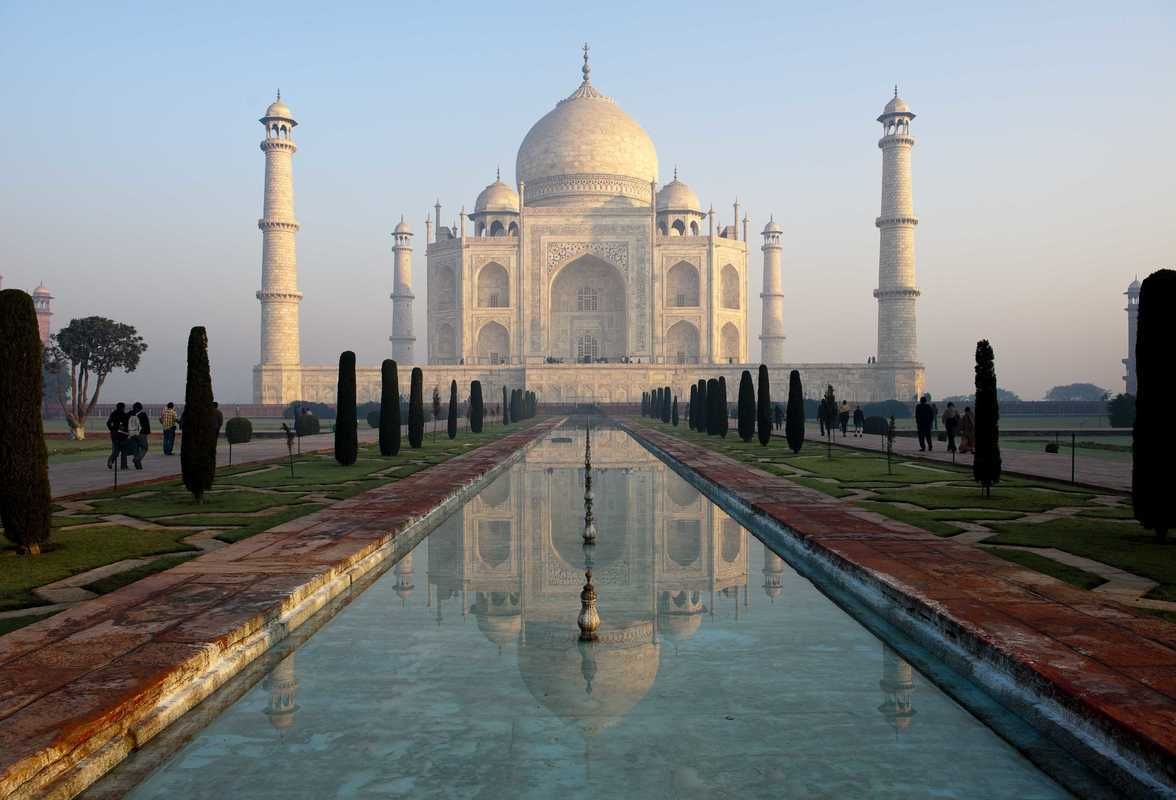
The Taj is well known for its vast size, beautiful paradise-like gardens, many carvings, precious stones, artwork, and the purpose it serves as a tomb for one of the most devoted stories of love ever told. The white-marble Persian-style, onion-shaped dome-on-semi cube structure is squared off by four smaller domes and Islamic-inspired minarets or turrets located on the four angled corners of the semi-cube. (Fig. 1) The buildings sit against the Yamuna River, which flows south on the estate's backside. The centrally placed mausoleum is coupled on either side by identical and mirror-image buildings in red sandstone. Each red building showcases three domes identical to the four smaller domes atop the mausoleum.[1] One operates as a mosque for prayer, and the other is presumed to be a guest house. Peering through the main gate, one realizes the reflecting lotus water pools allow the view of the white marble (which has given way to a cream coloring hue from air pollution) that points to the sky in the symmetry of vertical parallel contour lines on the Islamic influenced minarets and which contrast back to the attention-grabbing center dome. The distance at the northern main gate, embellished with Hindu motifs and referenced as Darwaza-i-Rauza, gives the entire shrine an image of one solid porcelain piece of artwork. Moving closer to the main building, at the end of the well-maintained garden, provides a clear view of each marble brick place in the construction. The calligraphy-style carvings inlaid with precious jewels (Fig.2) become noticeable on the walls and above the ogival arches (Fig. 3). Along with the front gate and well into the tomb (Fig.4) itself, the wall flows with the same themes of calligraphic quotes and passages from the Quran, some carved into the white marble and filled with dark black marble for rich contrast. The river runs along the back of the mausoleum on the south side of a rectangular complex, measuring approximately 34,596 sq. Ft.
[1] HISTORY, Taj Mahal,History.com Editors, A&E Television Networks. 13 June 2011. https://www.history.com/topics/india/taj-mahal (7 Nov. 2018)
The Persian Timurid style used for the gardens in the Mughal period was to bring harmony with Nature and Balance. The garden has many fountains and water decorations that are fed by the river. Lush lawns are well-manicured and watered by the river, and fruit-bearing trees decorate the lotus pools in a line. Initially, the gardens contained over four hundred plants in sixteen beautiful and proportional flowerbeds. Changes over time have made it difficult to recognize any original layout of the gardens. The original theme of the garden was designed to resemble the Islamic text about the paradise garden full of trees, fruit, flowers, and animals. “Charbagh or Chahar Bagh quadrilateral garden layout of Paradise mentioned in the Qur'an. The design of the gardens restored by the British in the 19th century added another style to the multi-artistic compound.[2]
“Shah Jahan's reign is considered the golden age of Mughal art and architecture.[3] Pearl Mosque at Agra and the palace and Great Mosque at Delhi stand as monumental achievements of this period. Shah Jahan introduced the broad use of white marble instead of red sandstone in building construction.” The architecture set the standard for other constructions during the Mughal period. The Taj Mahal is, in fact, a wonder of diverse architecture, gardens, and a history of love.
[2] https://www.tajmahal.org.uk/ (8 Nov. 2018)
[3] Shah Jahan. Encyclopedia.Com. Https://Www.Encyclopedia.Com/People/History/Central-Asian-History-Biographies/Sh (9 Nov. 2018).
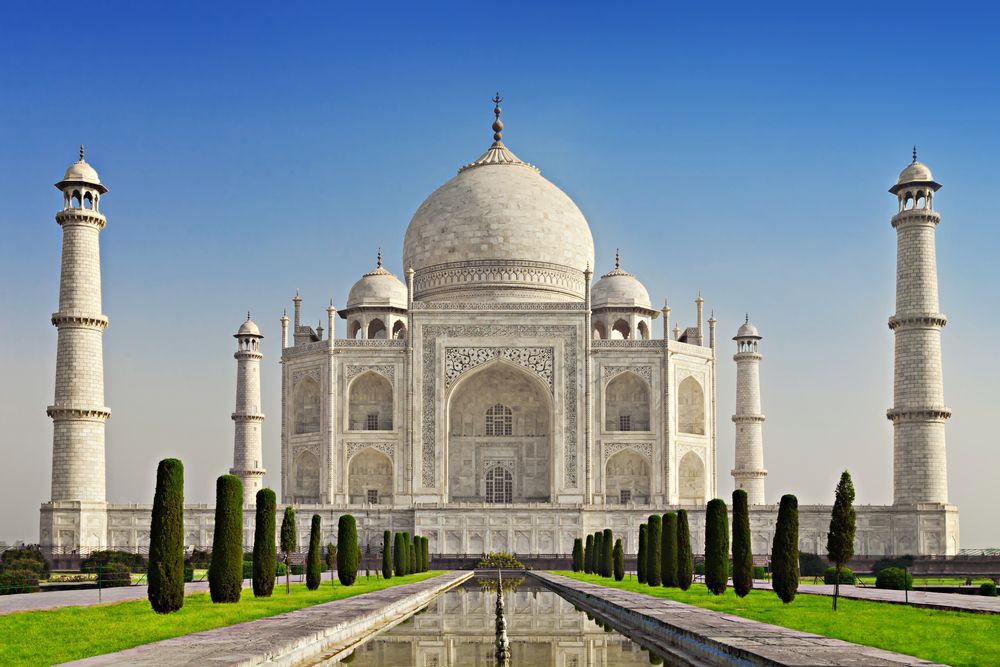
Fig.1 Taj Mahal, Agra, India. 1632-53. Yann. Jim Cartar. <http://creativecommons.org/licenses/by-sa/4.0-3.0-2.5-2.0-1.0>, November 7, 20184
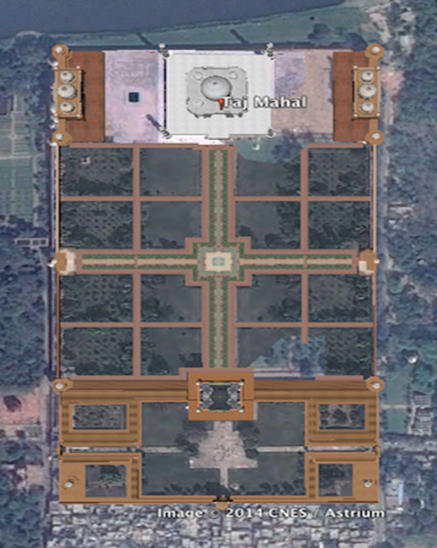
Fig. 1cont. Aerial photo of the Taj Mahal
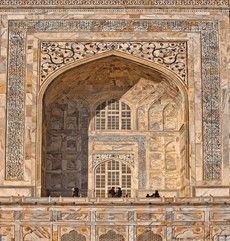
Fig.2 Calligraphy-style carvings inlaid with precious jewels
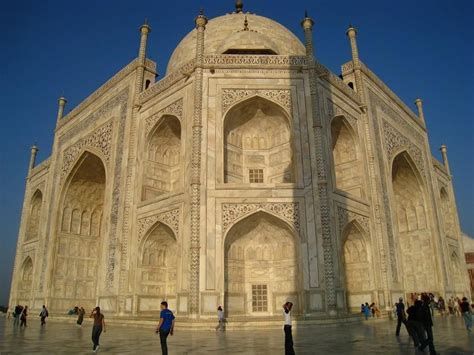
Fig.3 Ogival Arches
Fig. 4, Ebba Koch,2002, poppies and yellow flowers set in cartouches, inlaid with semi-precious stones in Pietra dura/ Parchin Kari technique. View of the tombs.
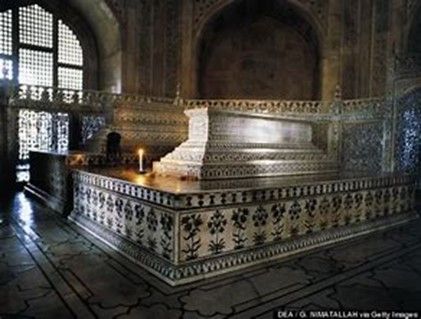
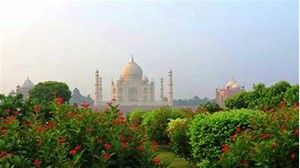
Fig. 5 view of the Char Bagh Gardens
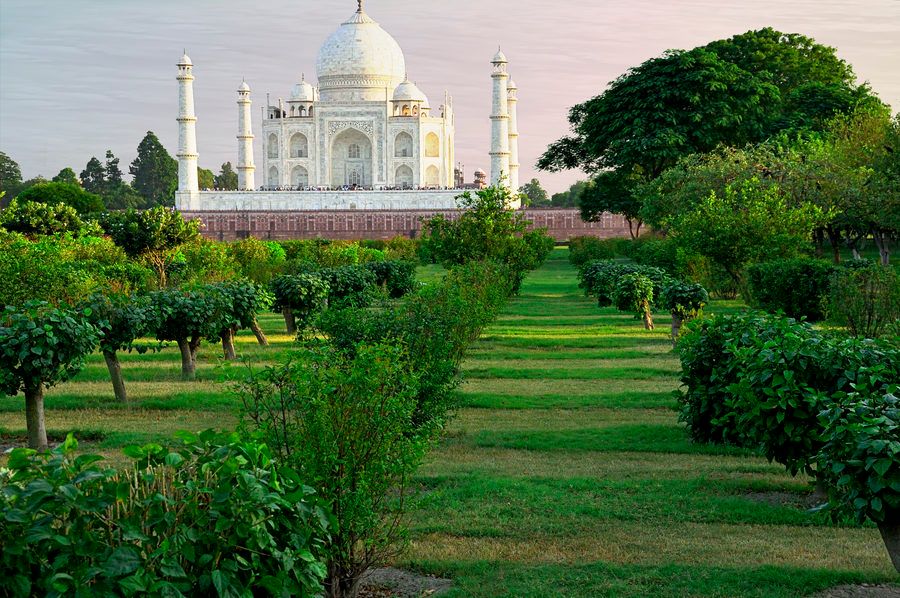
Char Bagh Gardens
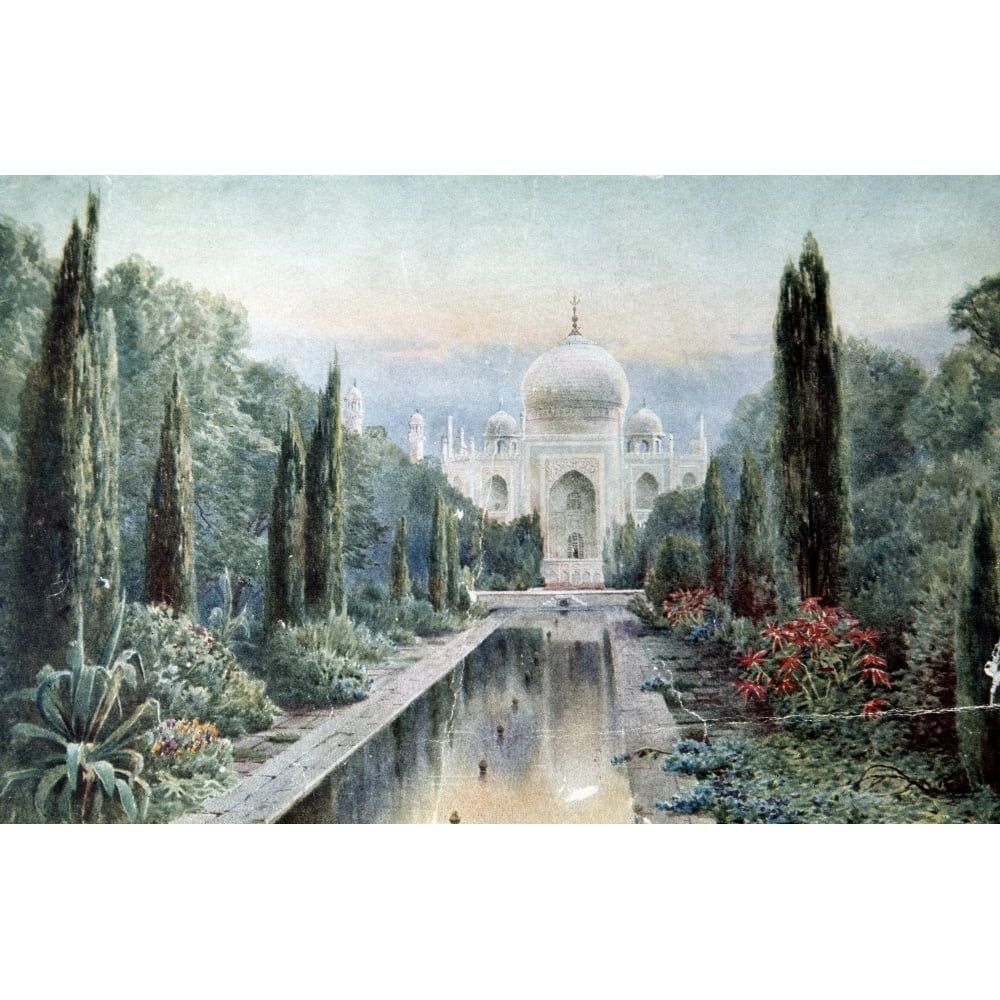
Painting of Taj Mahal and Gardens