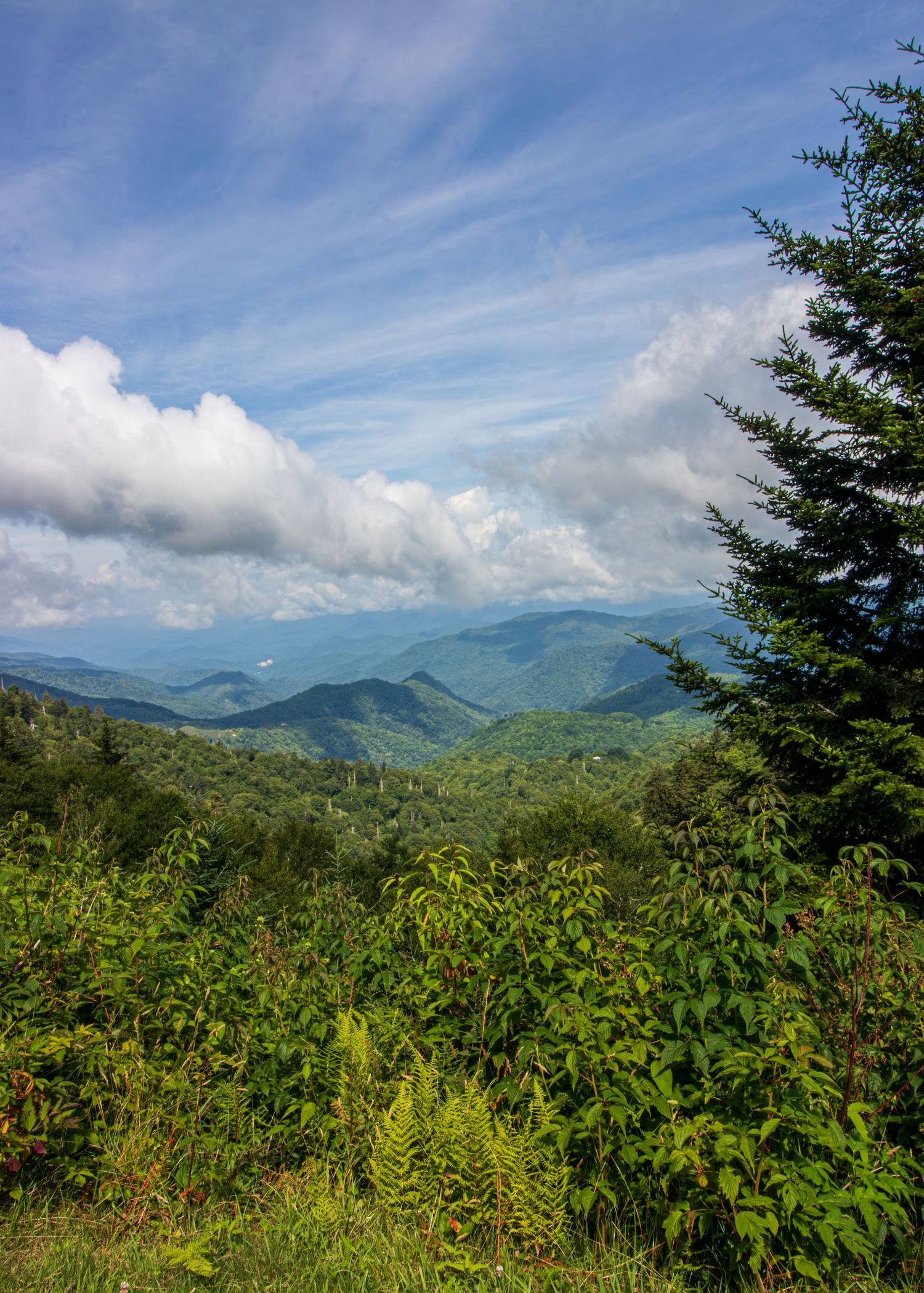
The Blue Ridge Parkway: A Scenic Marvel Of Natural Beauty And Cultural Heritage
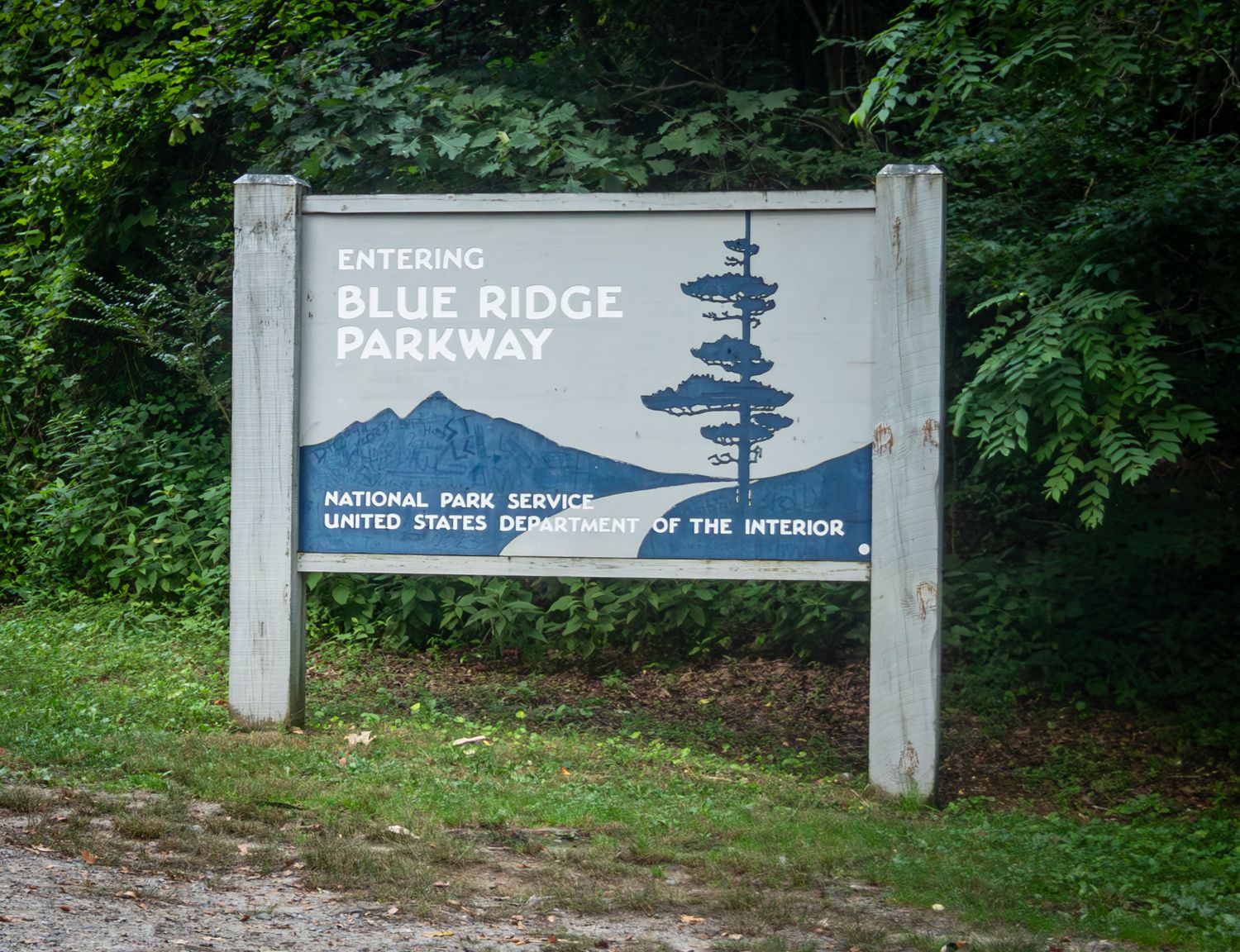
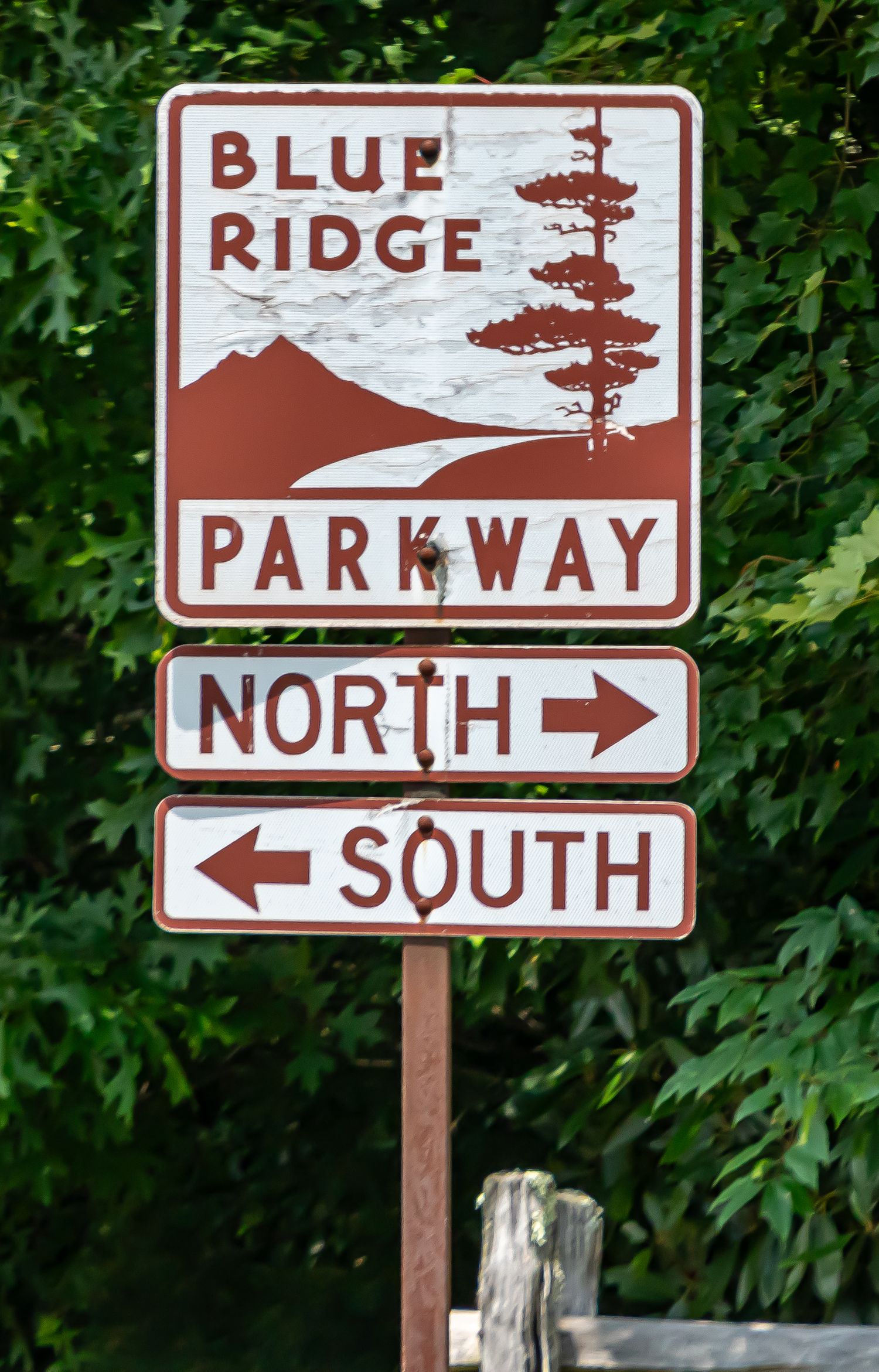
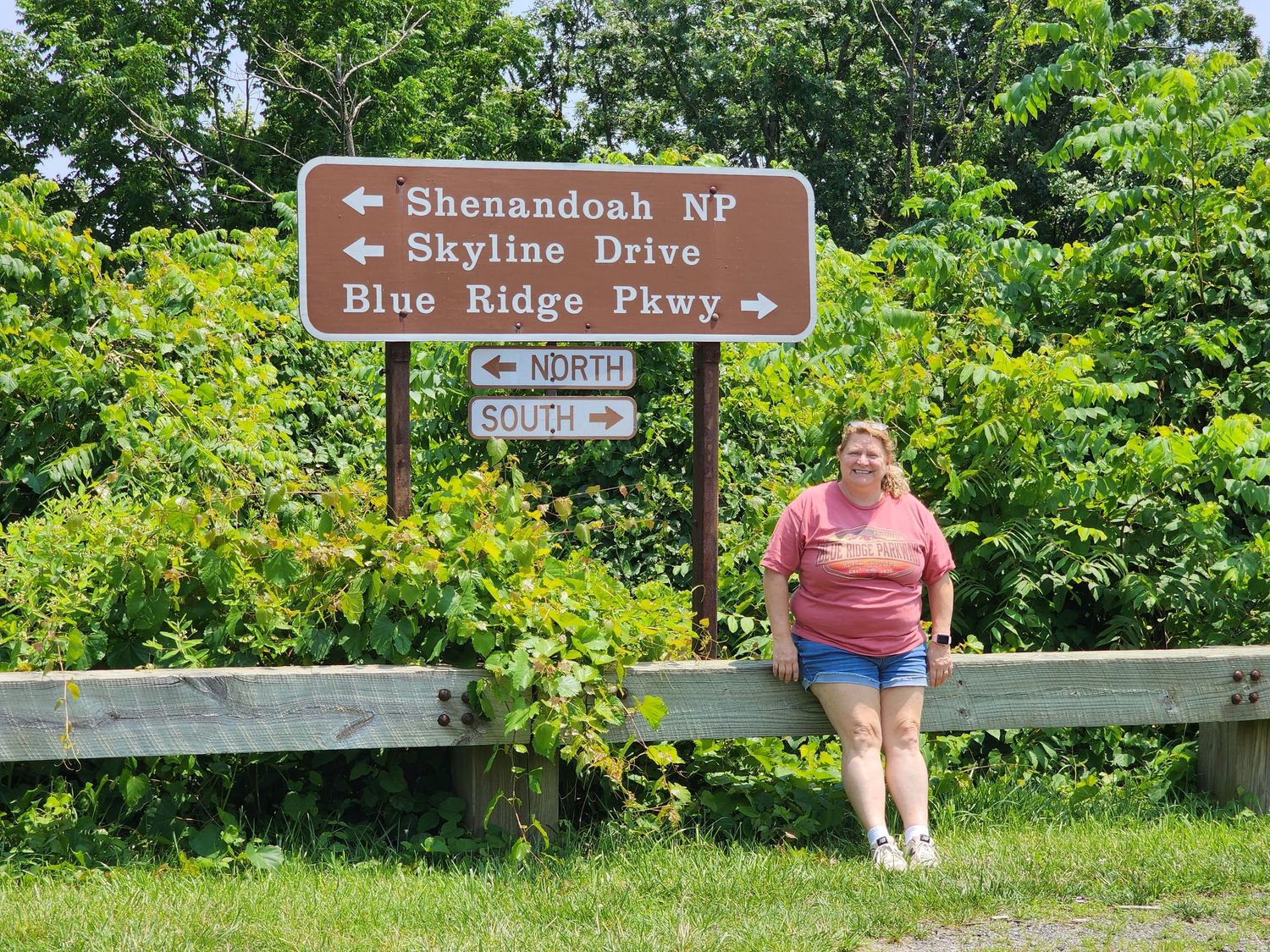
The Blue Ridge Parkway
is an iconic and picturesque roadway that spans over 469 miles through the
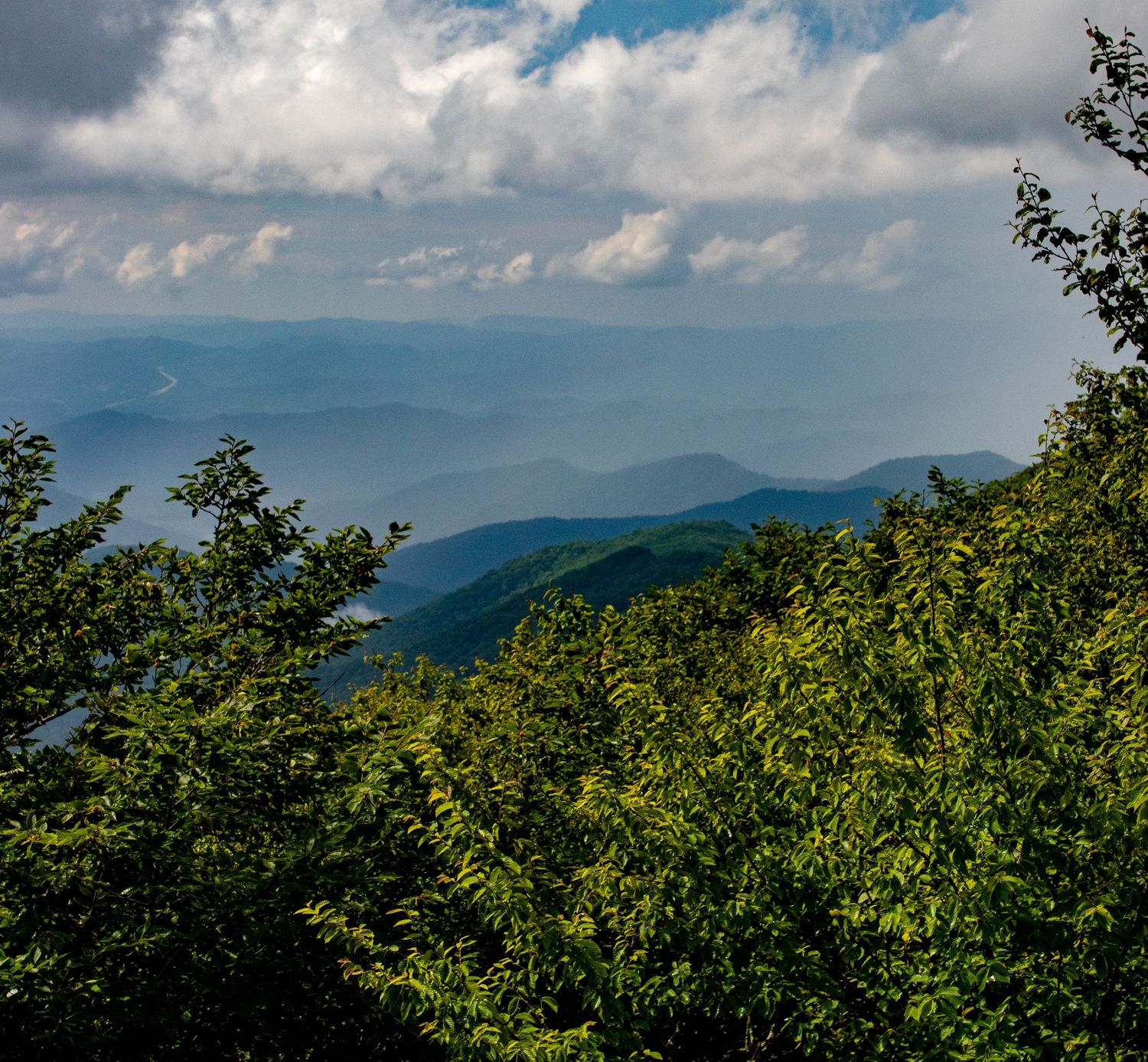
Appalachian Highlands of the United States. It is a scenic marvel, providing
travelers with breathtaking views of the Blue Ridge Mountains and the surrounding
landscapes. This two-page essay explores the history, natural beauty, cultural
significance, and recreational opportunities the Blue Ridge Parkway offers.
The Blue Ridge Parkway's
genesis can be traced back to the 1930s when the United States was grappling
with the challenges of the Great Depression. To stimulate the economy and
provide much-needed jobs, President Franklin D. Roosevelt initiated various
public works projects, including the creation of the Blue Ridge Parkway.
Construction commenced in 1935 and continued for over five decades, finally completed
in 1983.
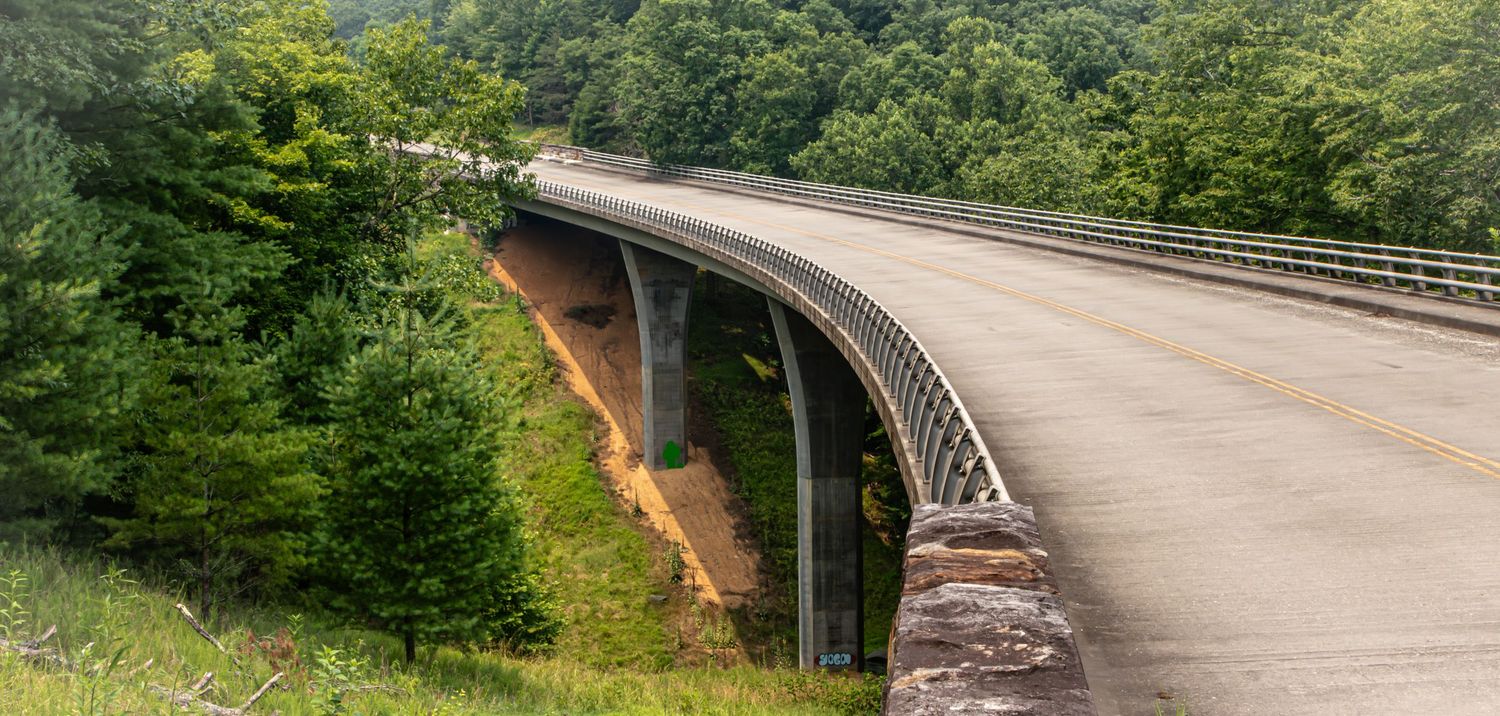
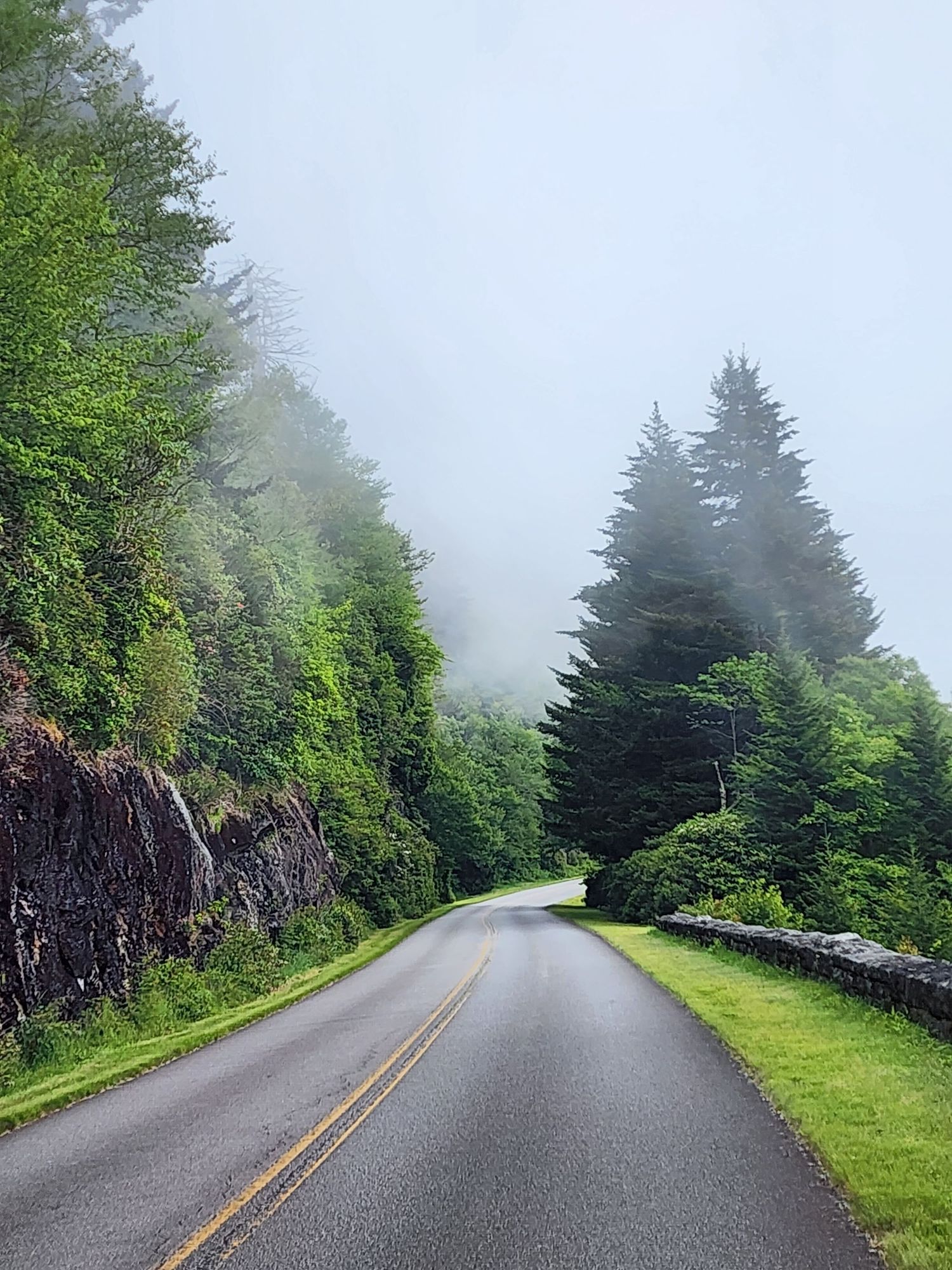
The Parkway was a collaboration between the National Park
Service and the Works Progress Administration (WPA). The designers sought to
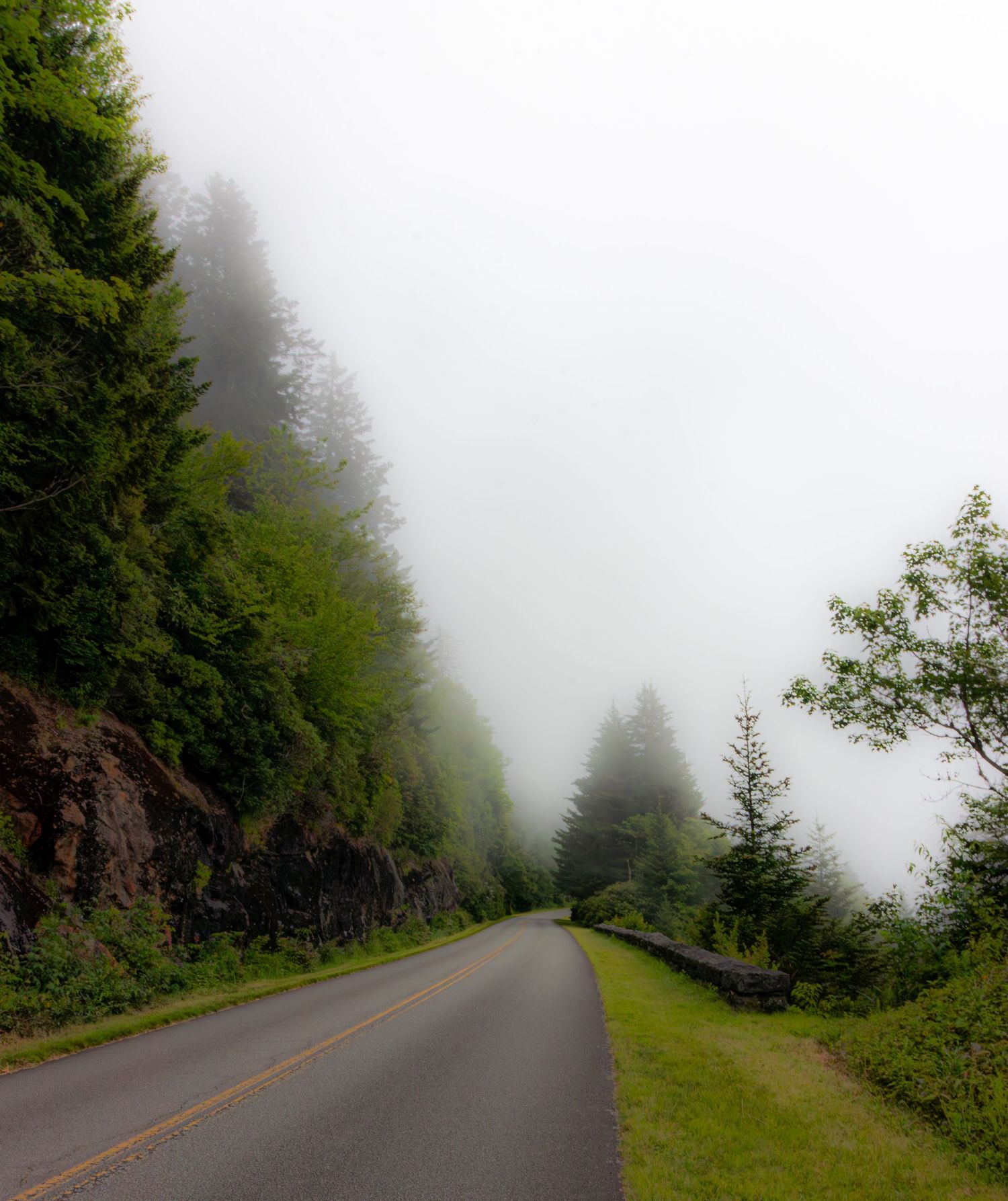
blend the natural landscapes with the roadway, ensuring the road's layout
harmonized with the environment. The result is a scenic highway that allows
travelers to witness the splendor of the Appalachian region without disrupting
its delicate ecosystem.
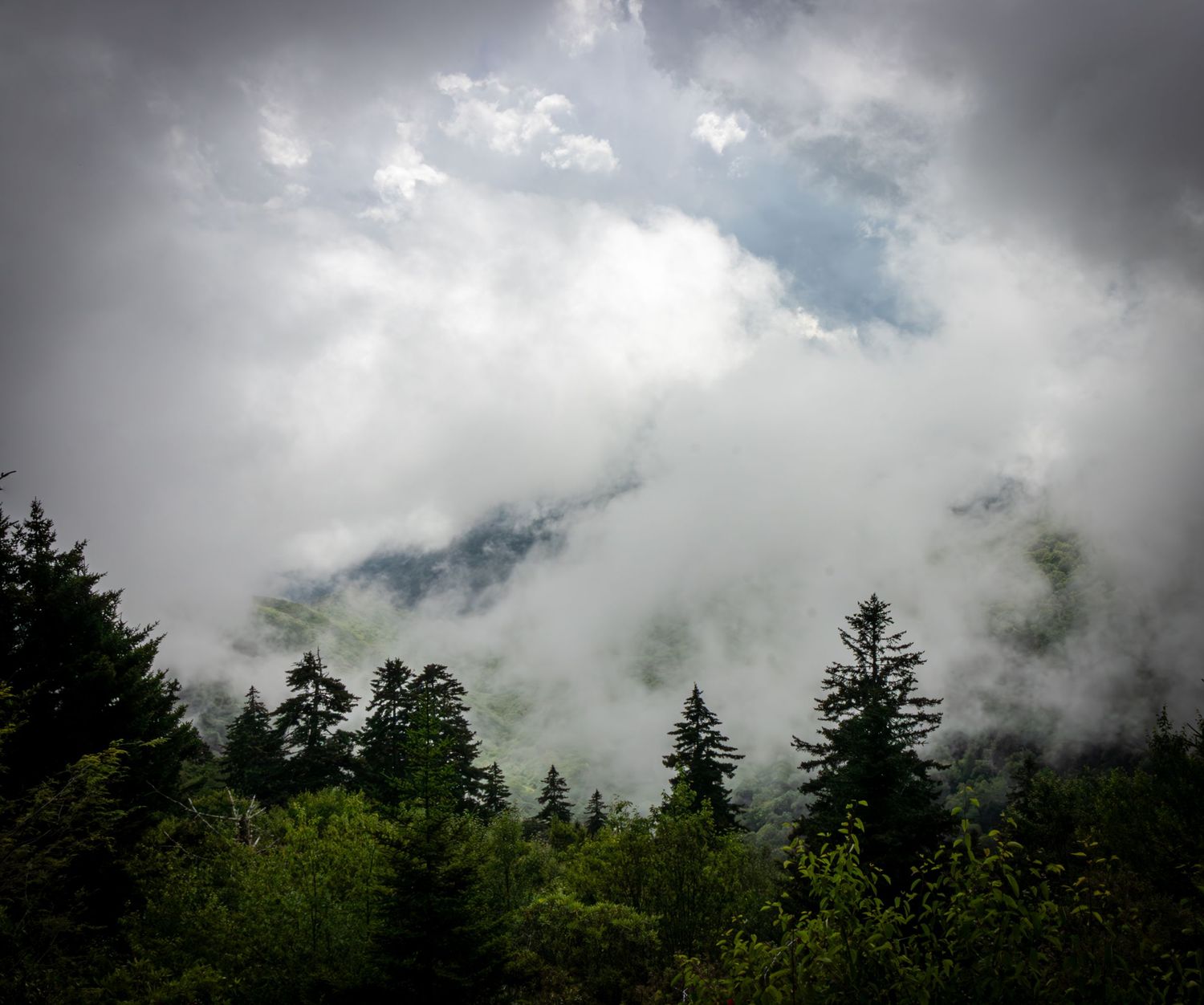
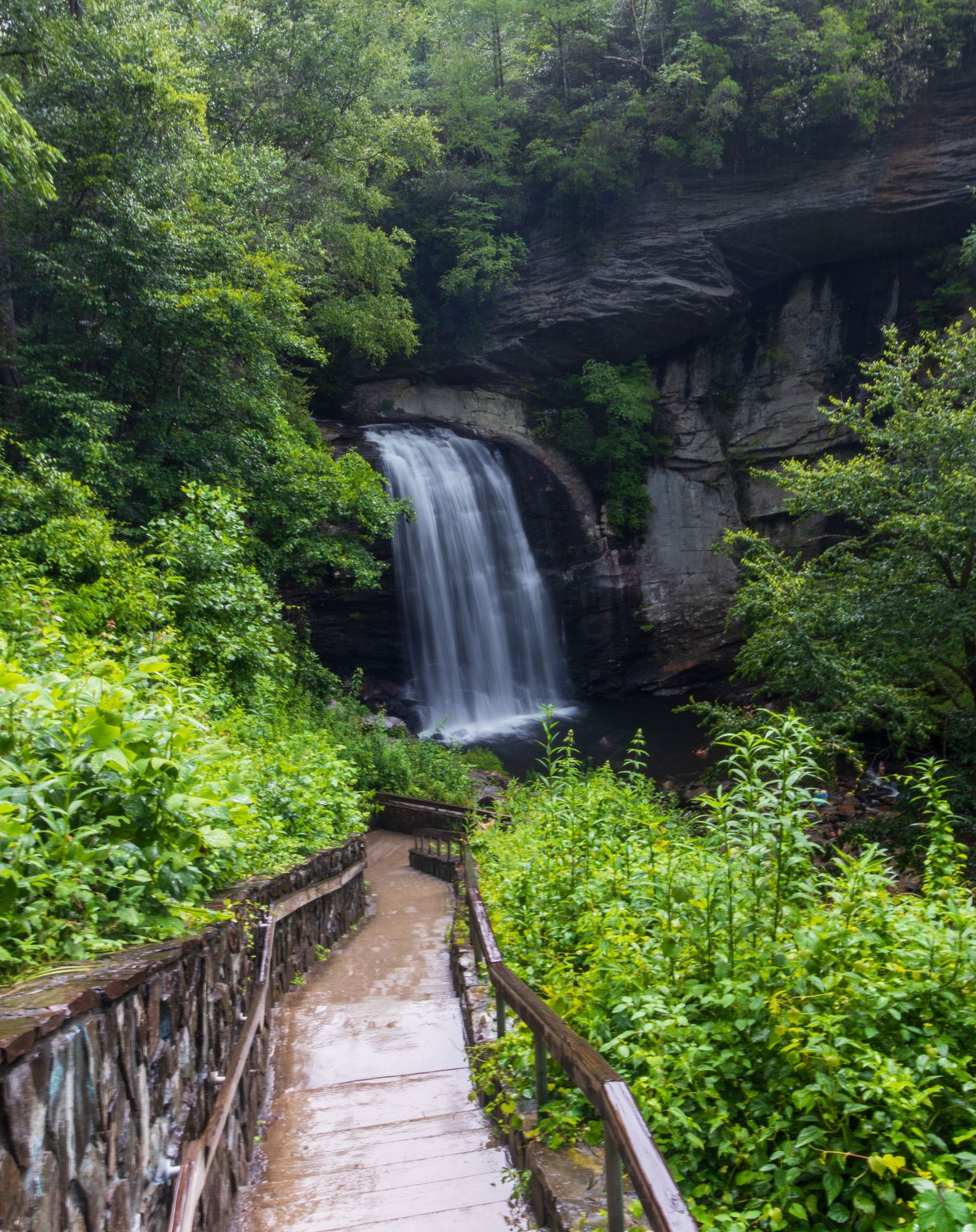
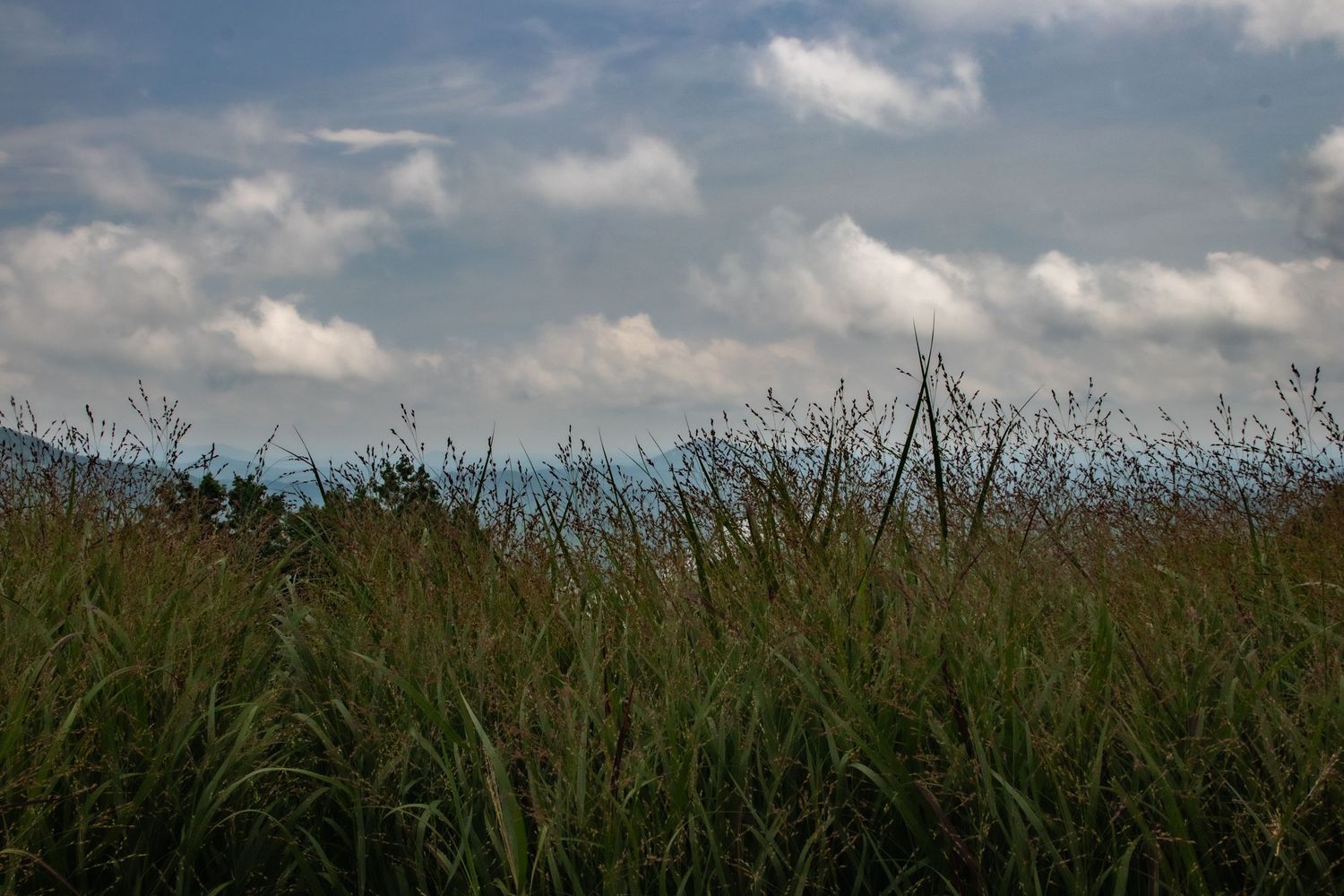
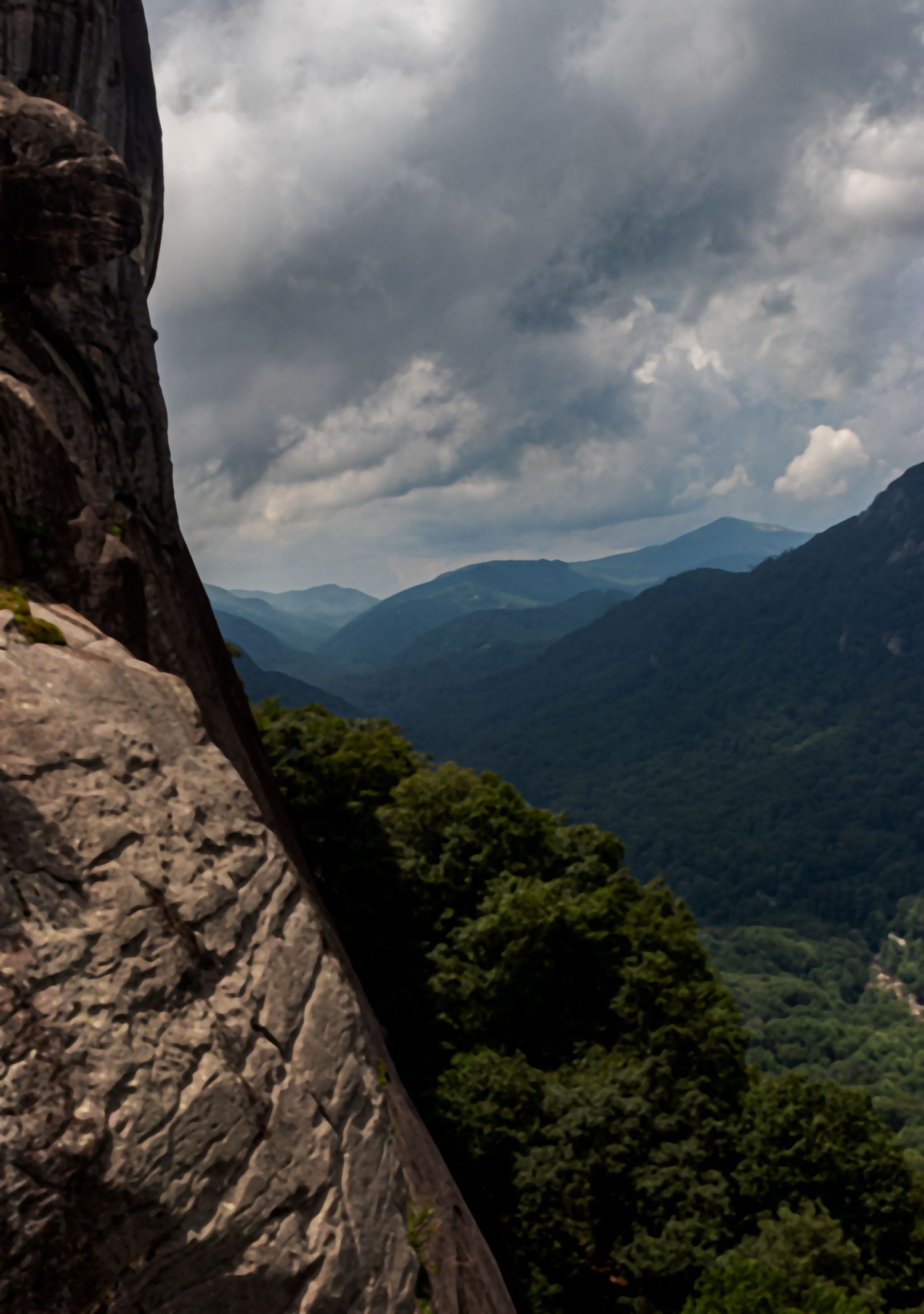
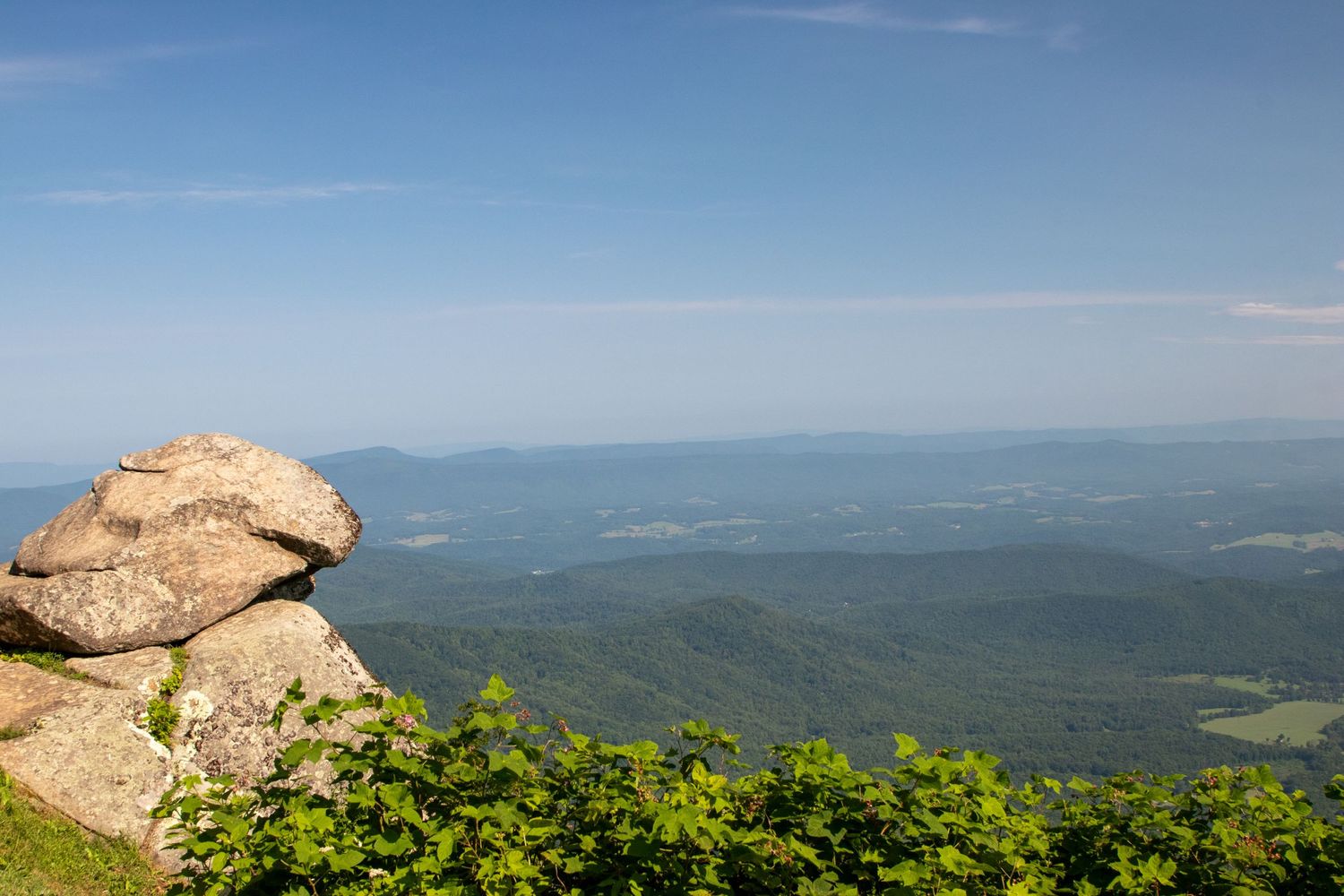
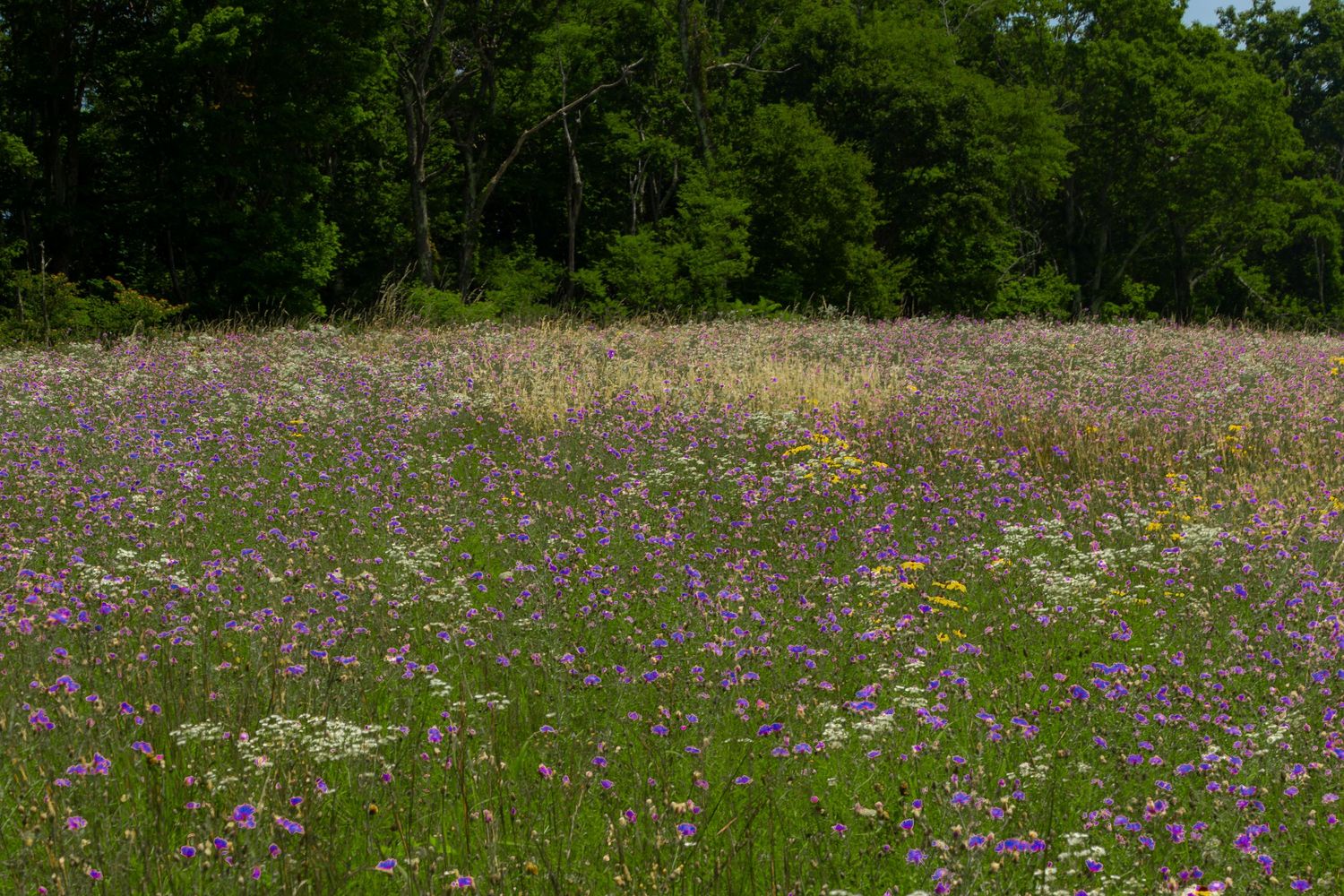
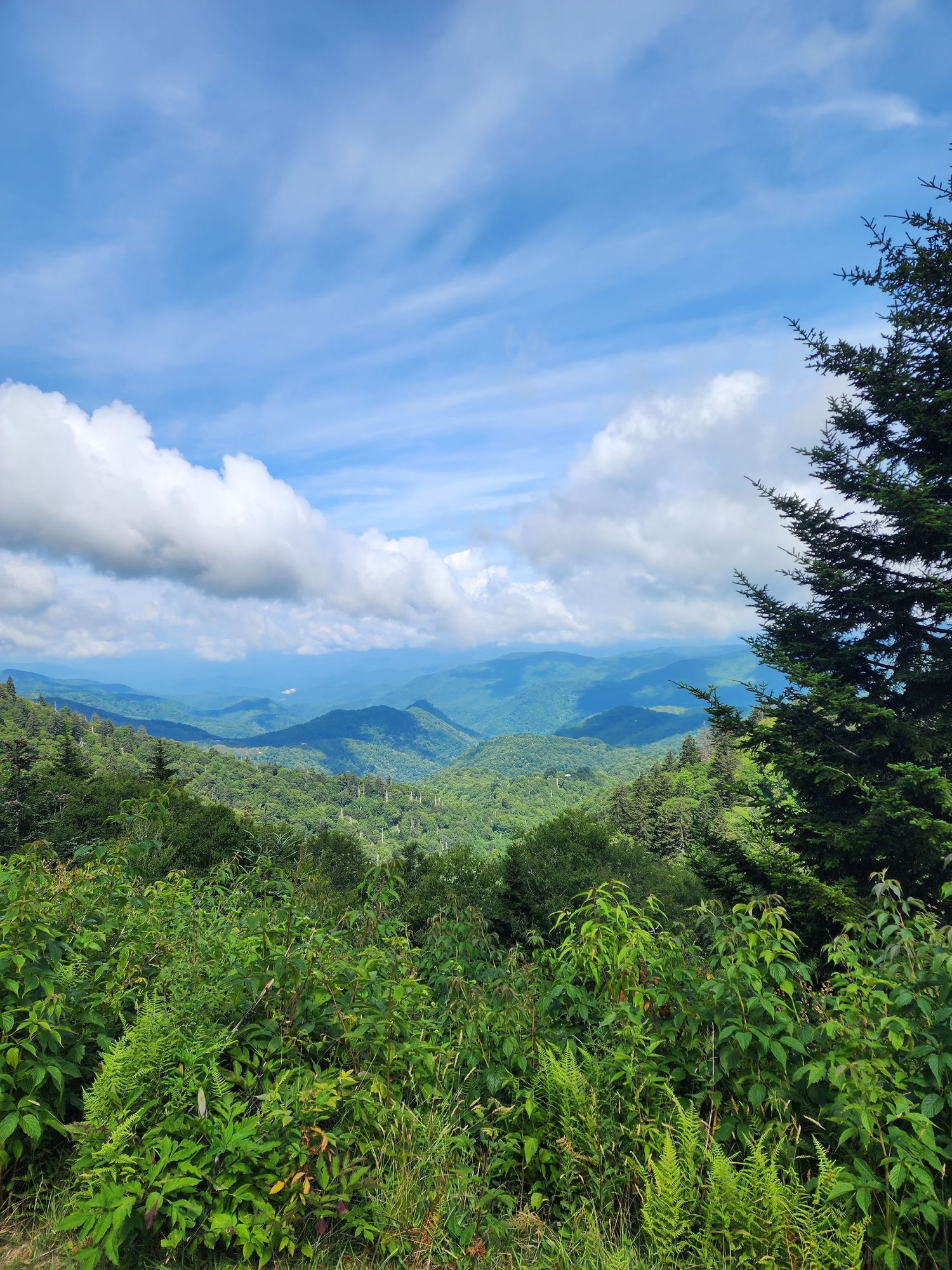
Natural Beauty and Biodiversity: The primary allure of the Blue
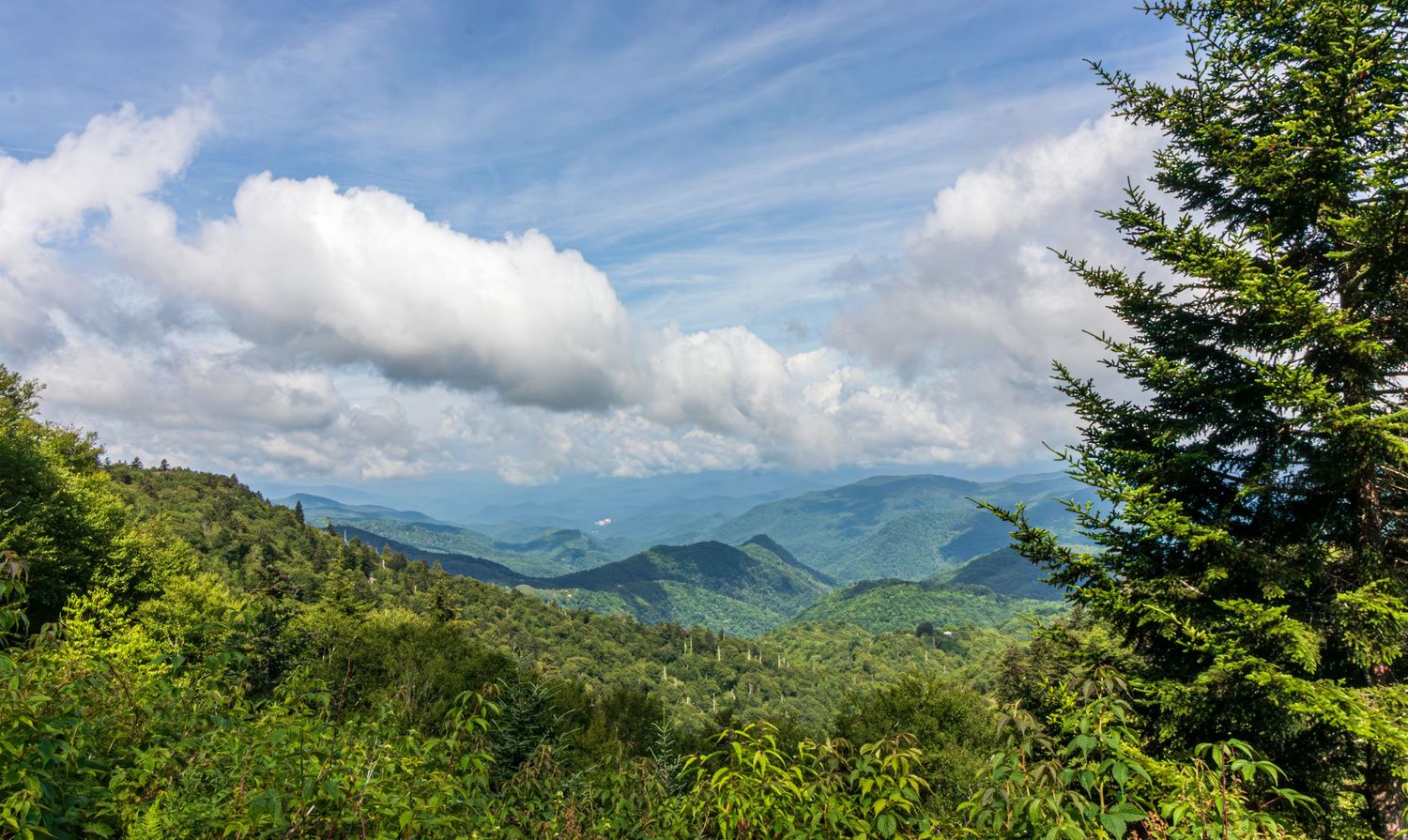
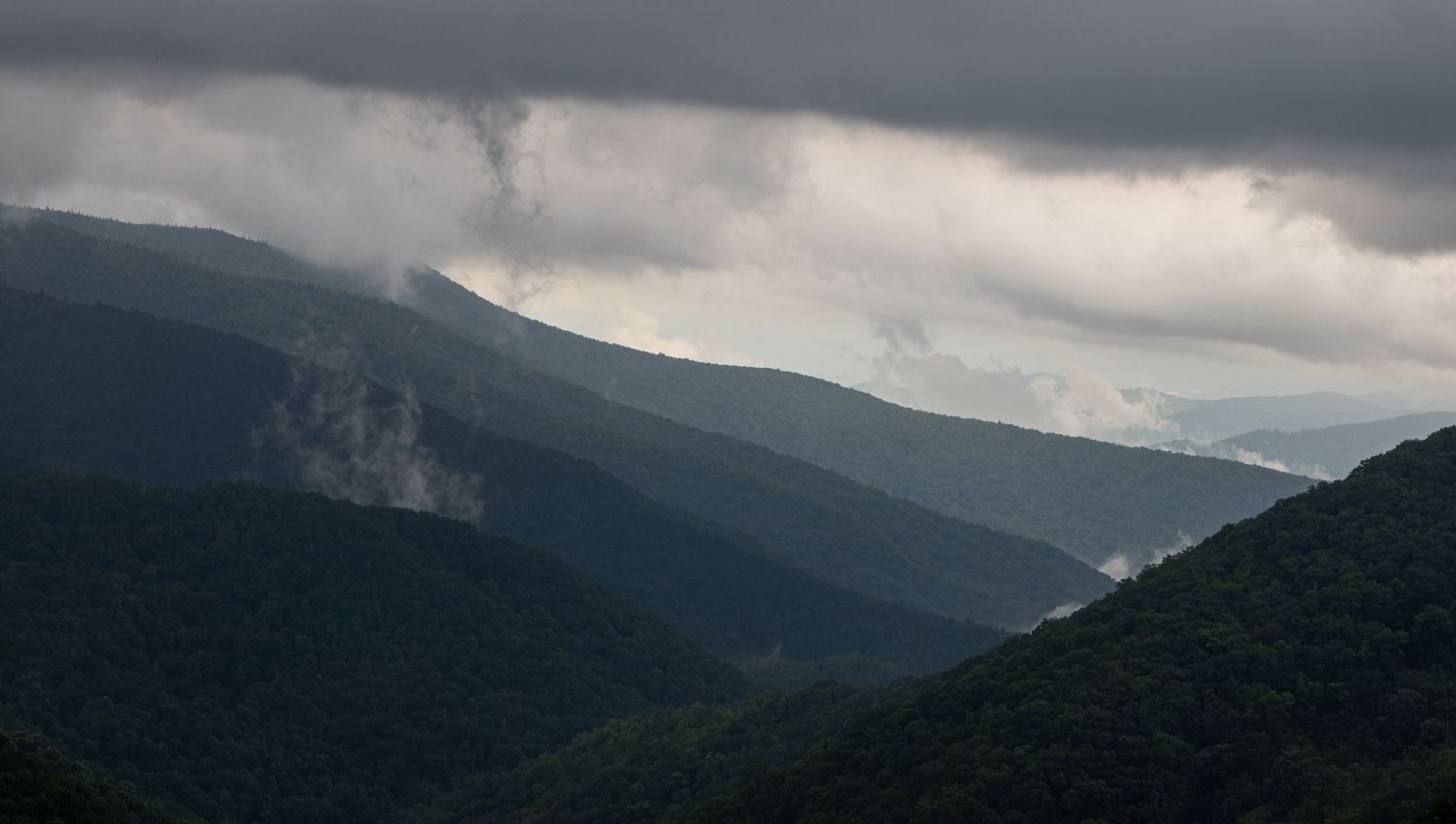
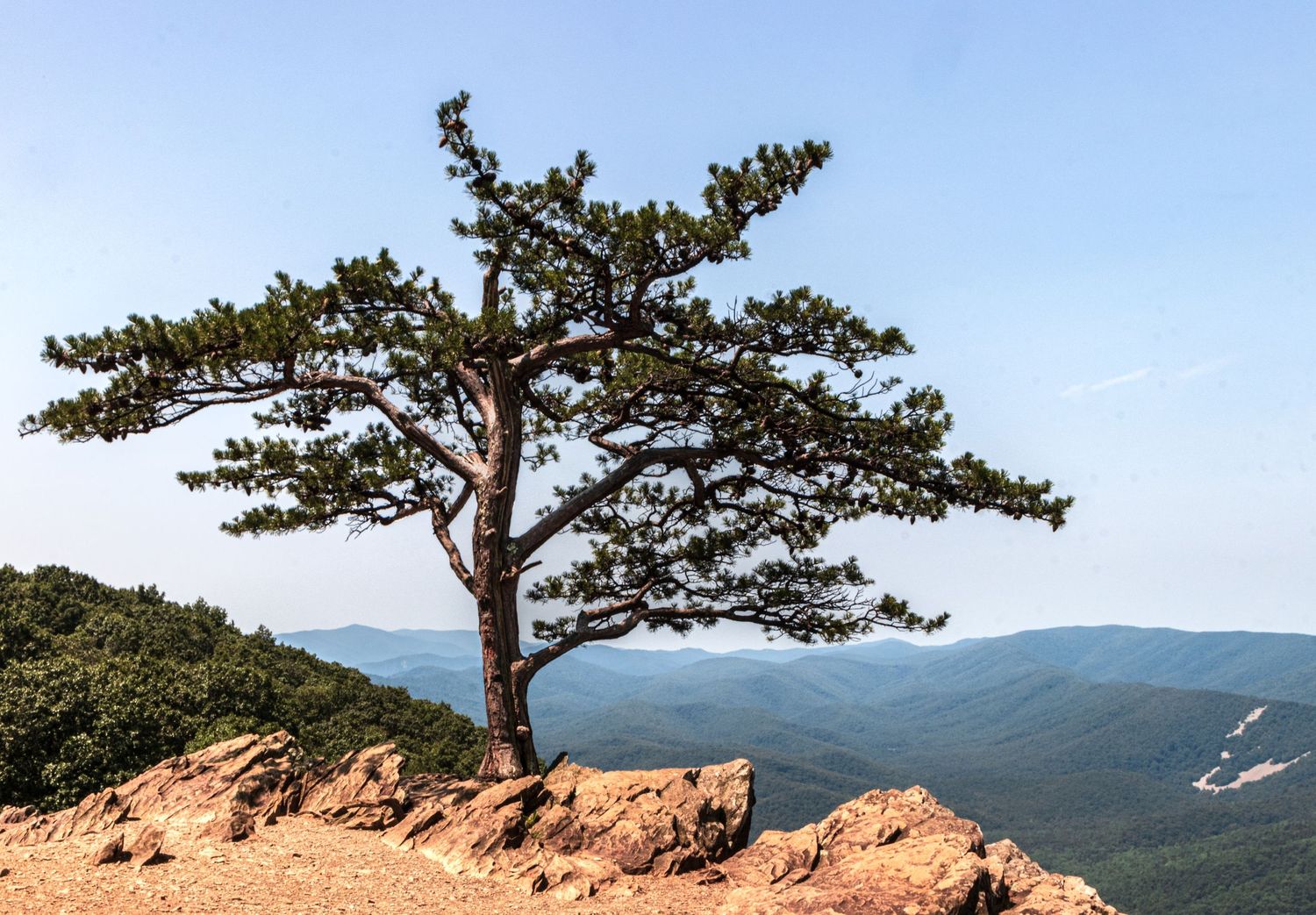
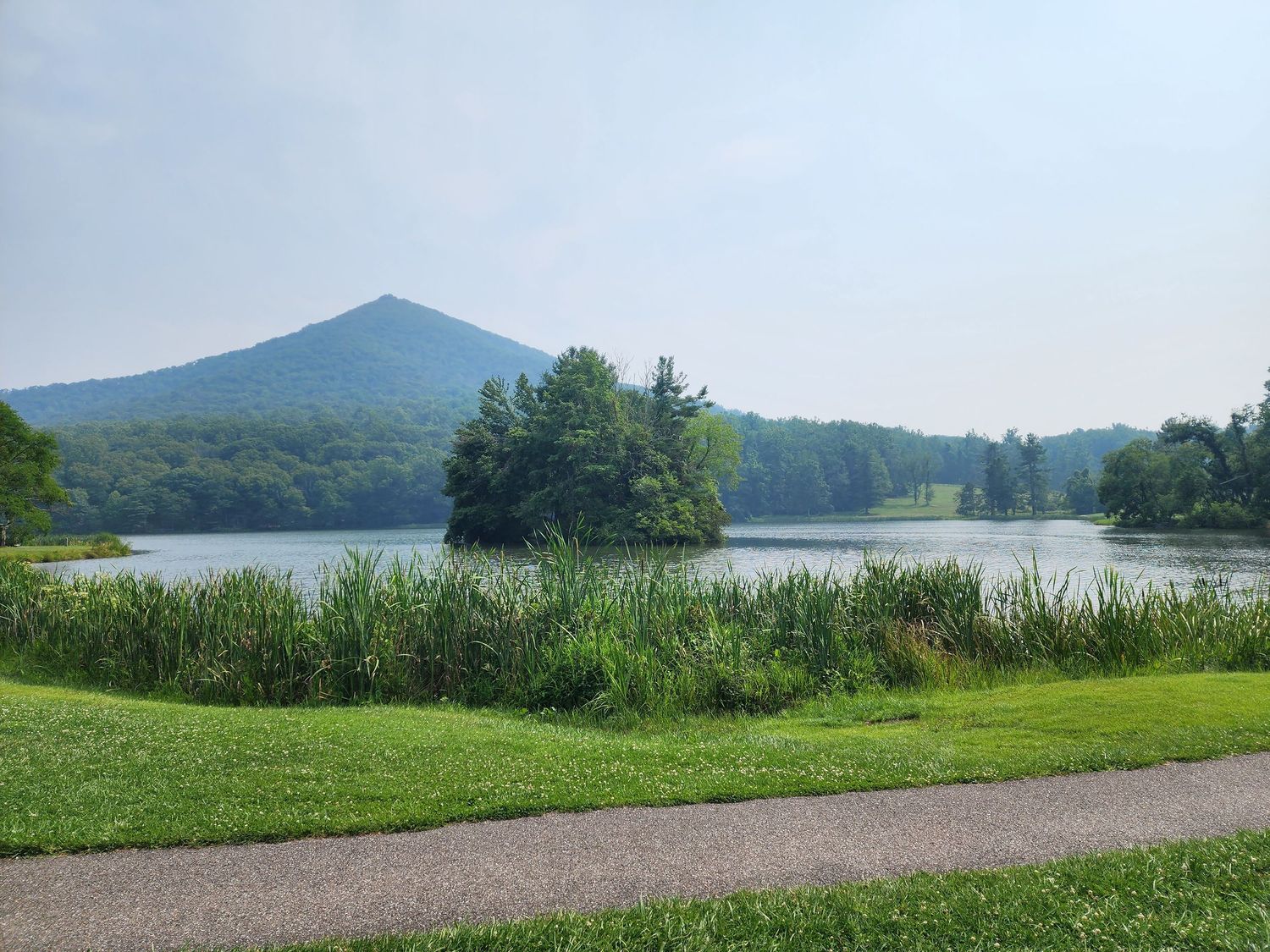
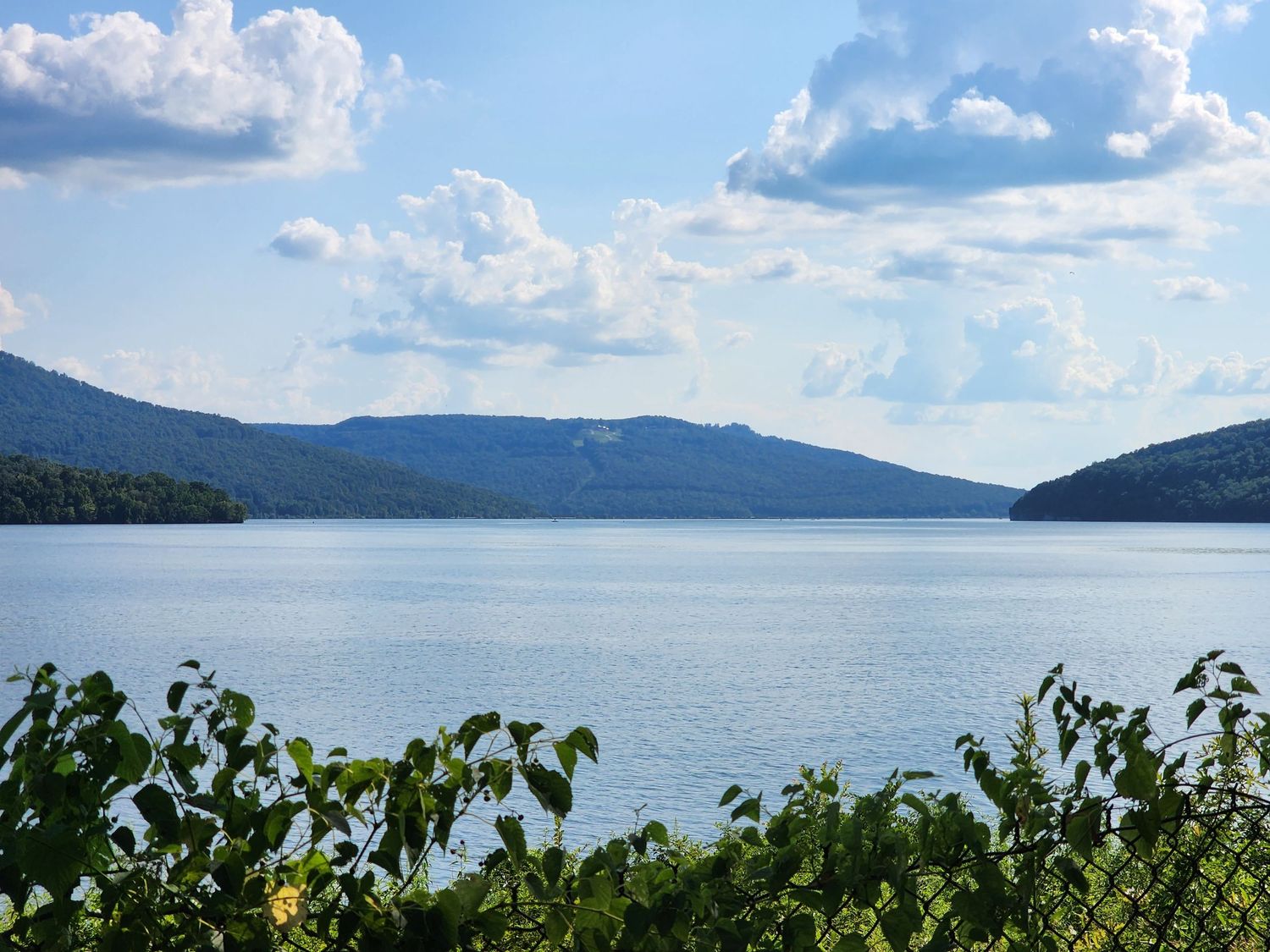
Ridge Parkway lies in its unspoiled natural beauty. As the road winds through
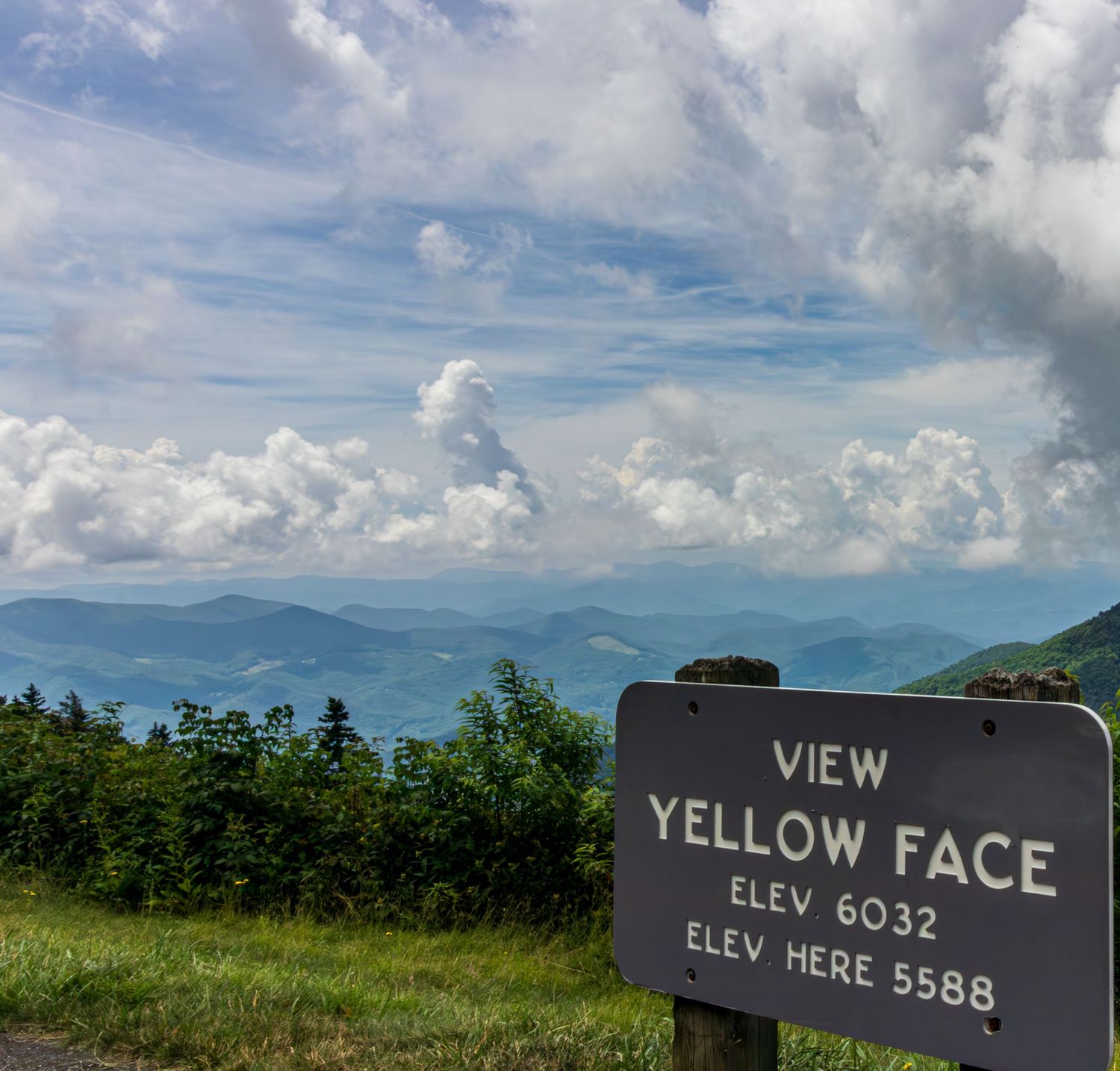
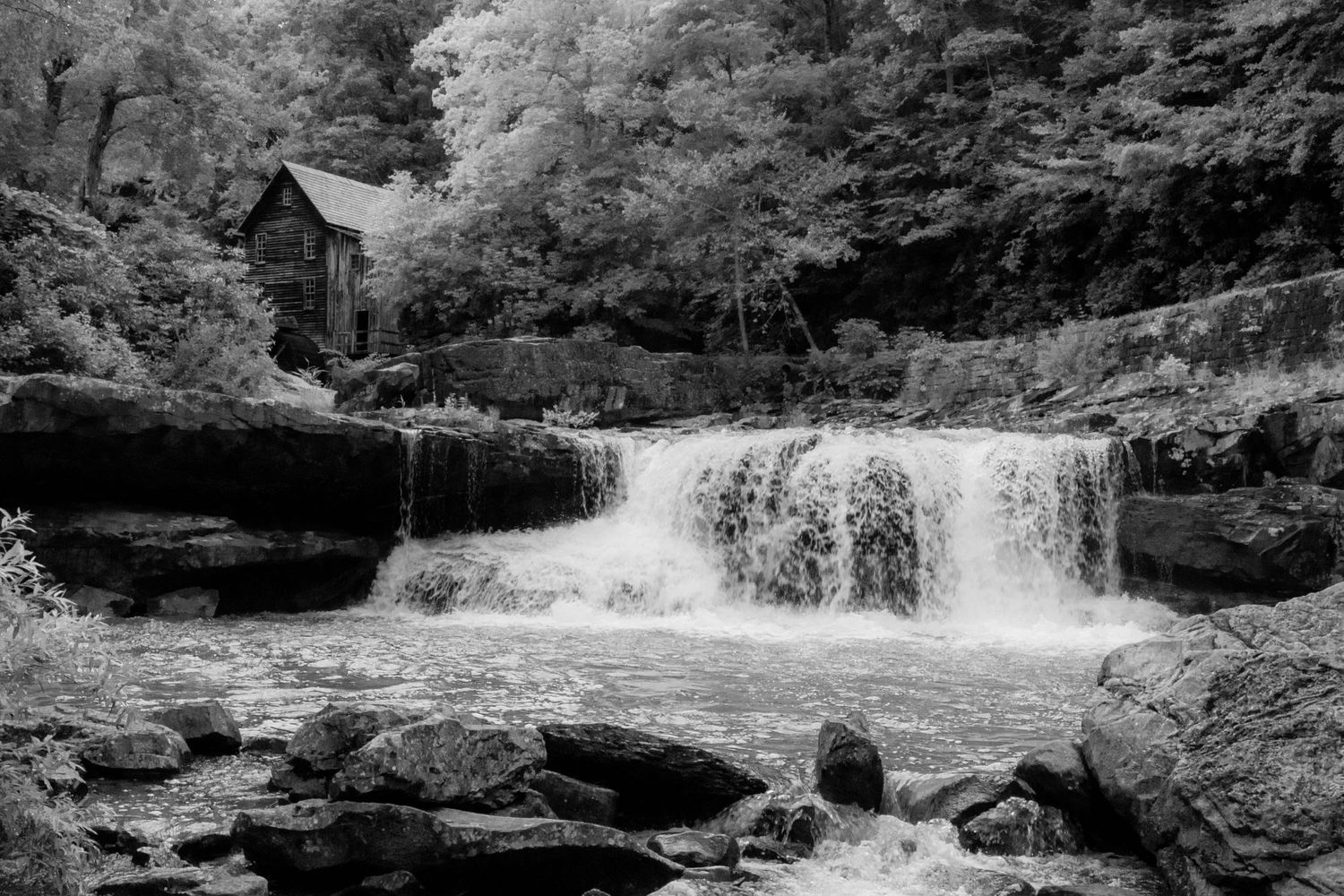
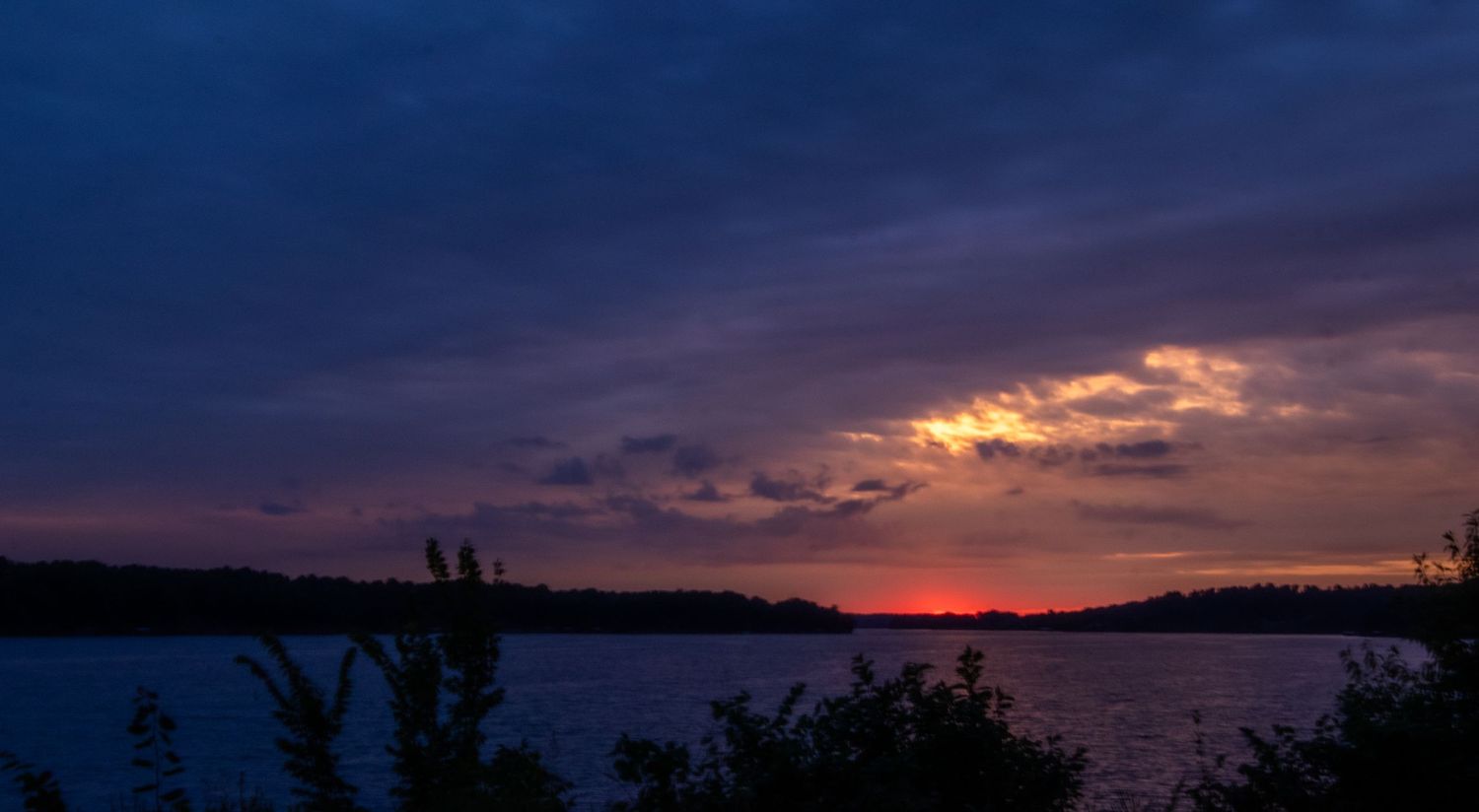
the Appalachian Mountains, it offers awe-inspiring vistas, rolling hills,
cascading waterfalls, and dense forests that change dramatically with the
seasons. Each turn reveals a new panorama, captivating visitors with its
unparalleled diversity.
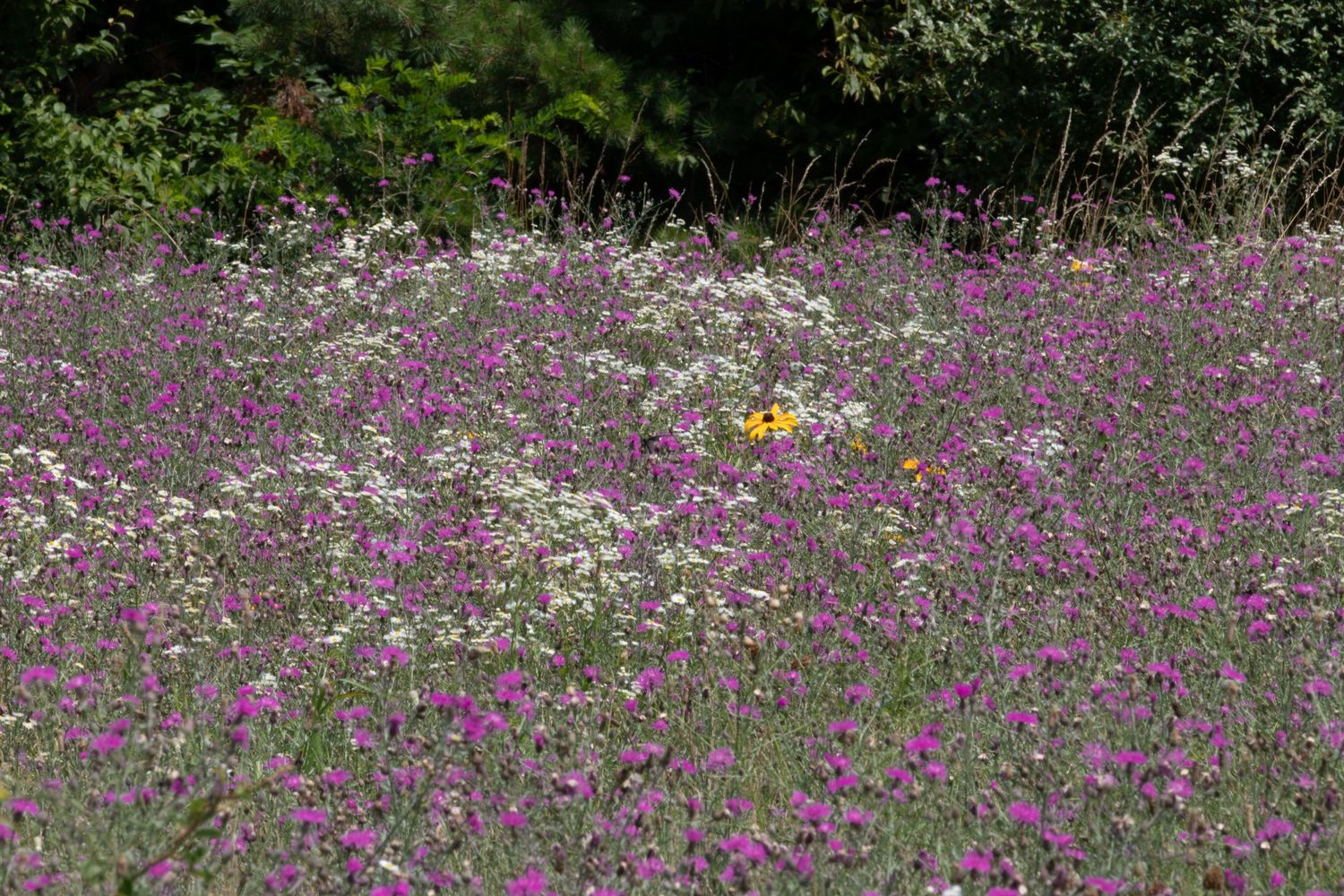
Moreover, the region's biodiversity is extraordinary. The
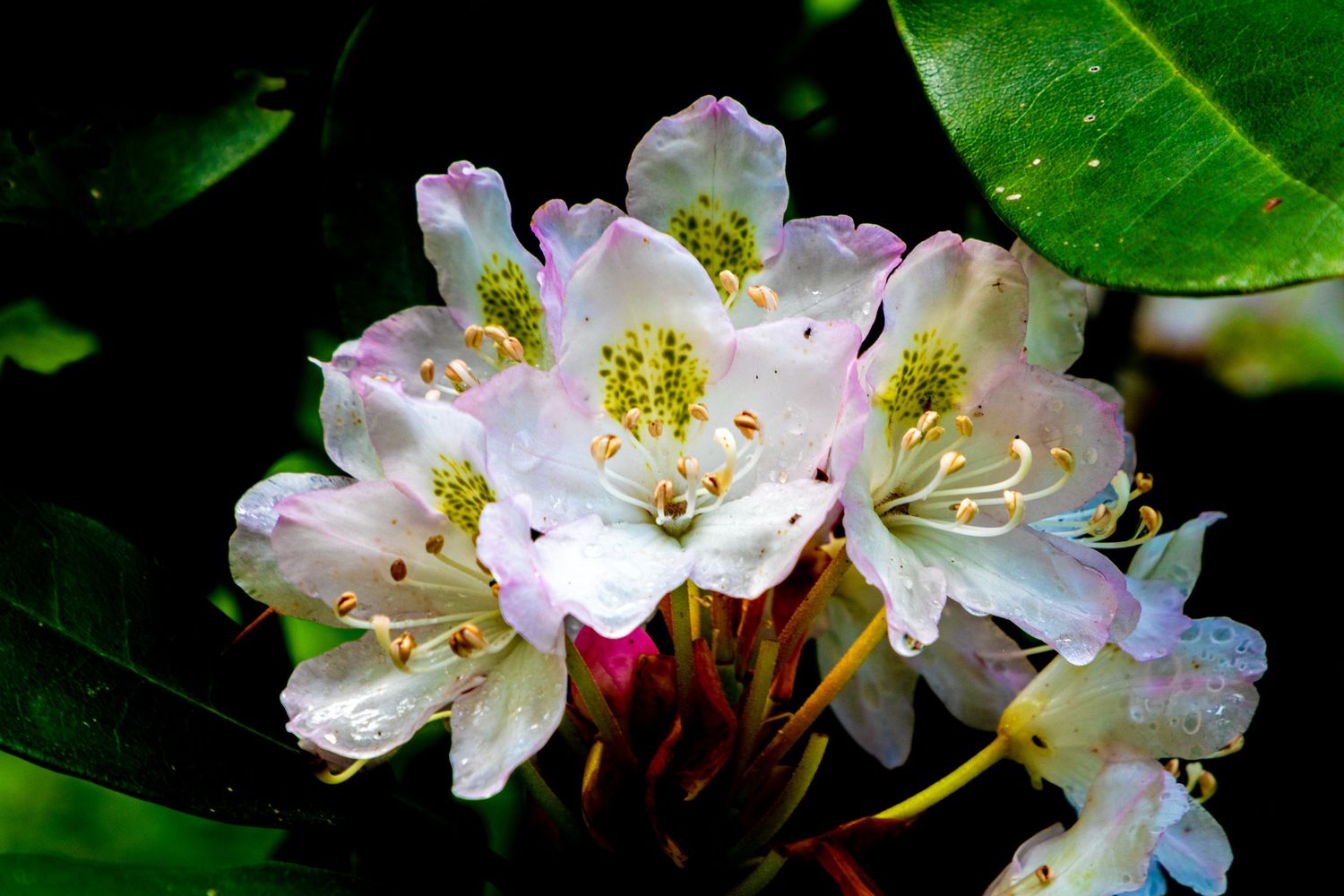
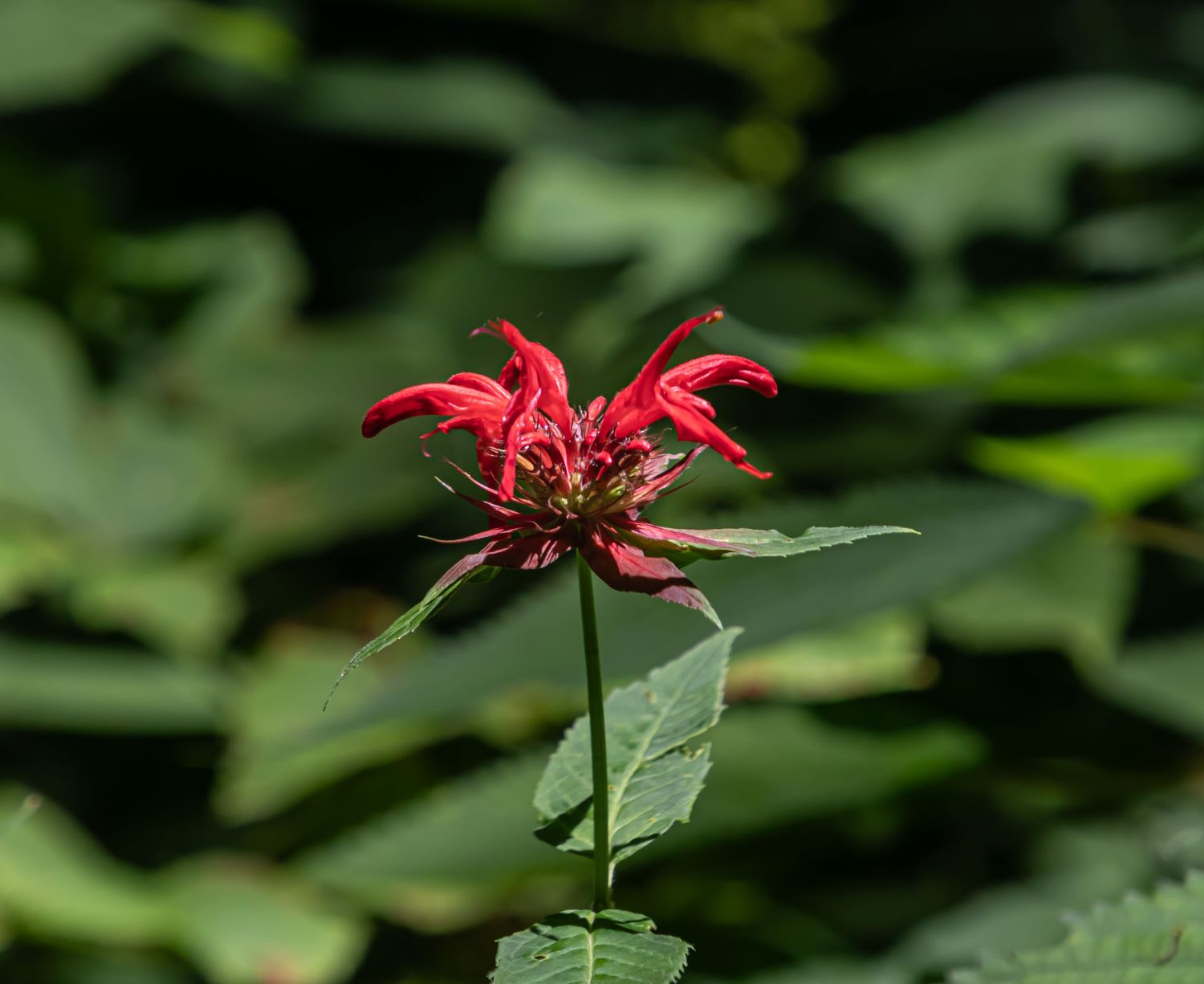
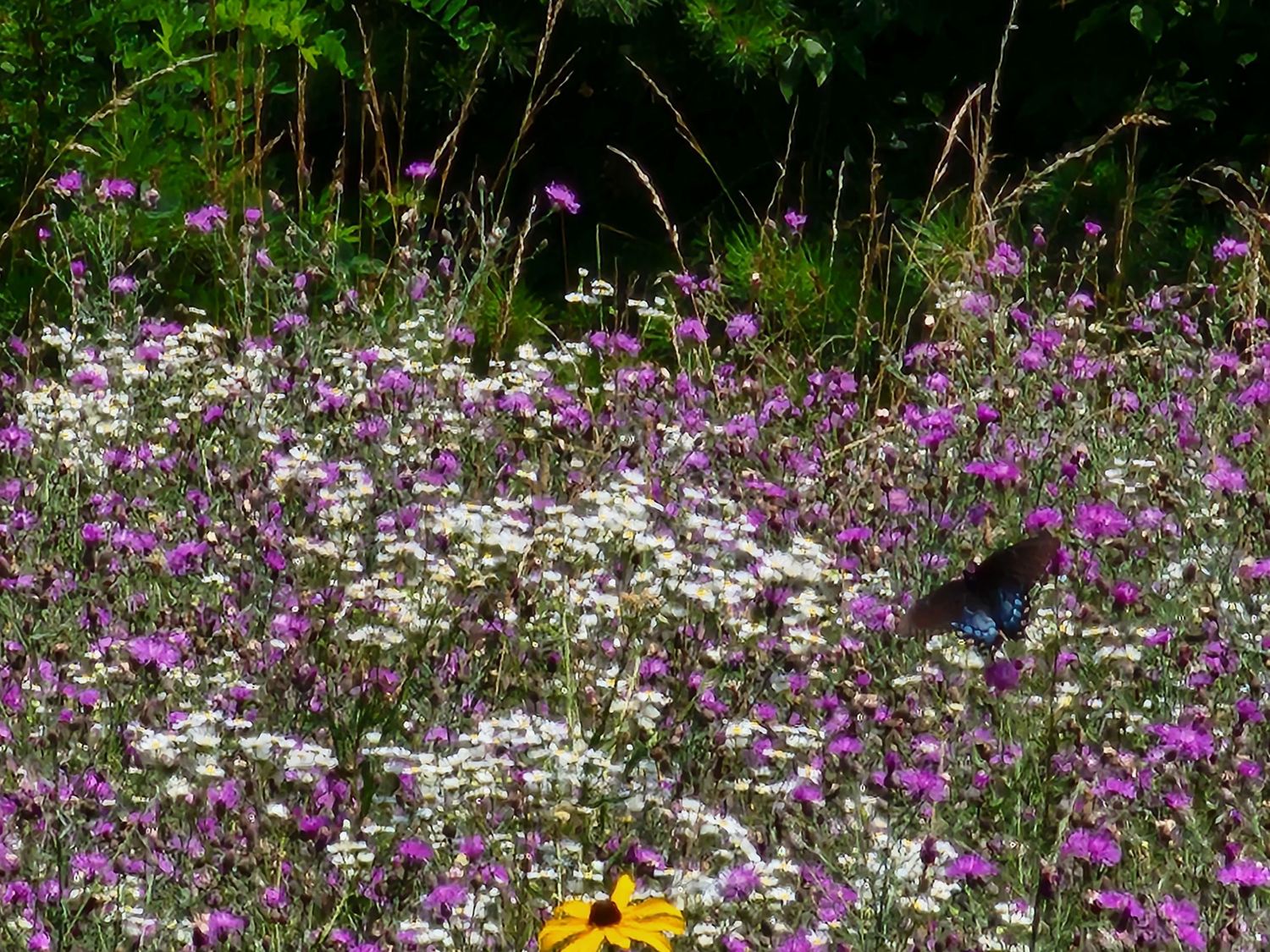
Parkway is home to an incredible array of plant and animal species. Thousands
of plant varieties, including rare and endangered ones, thrive in this
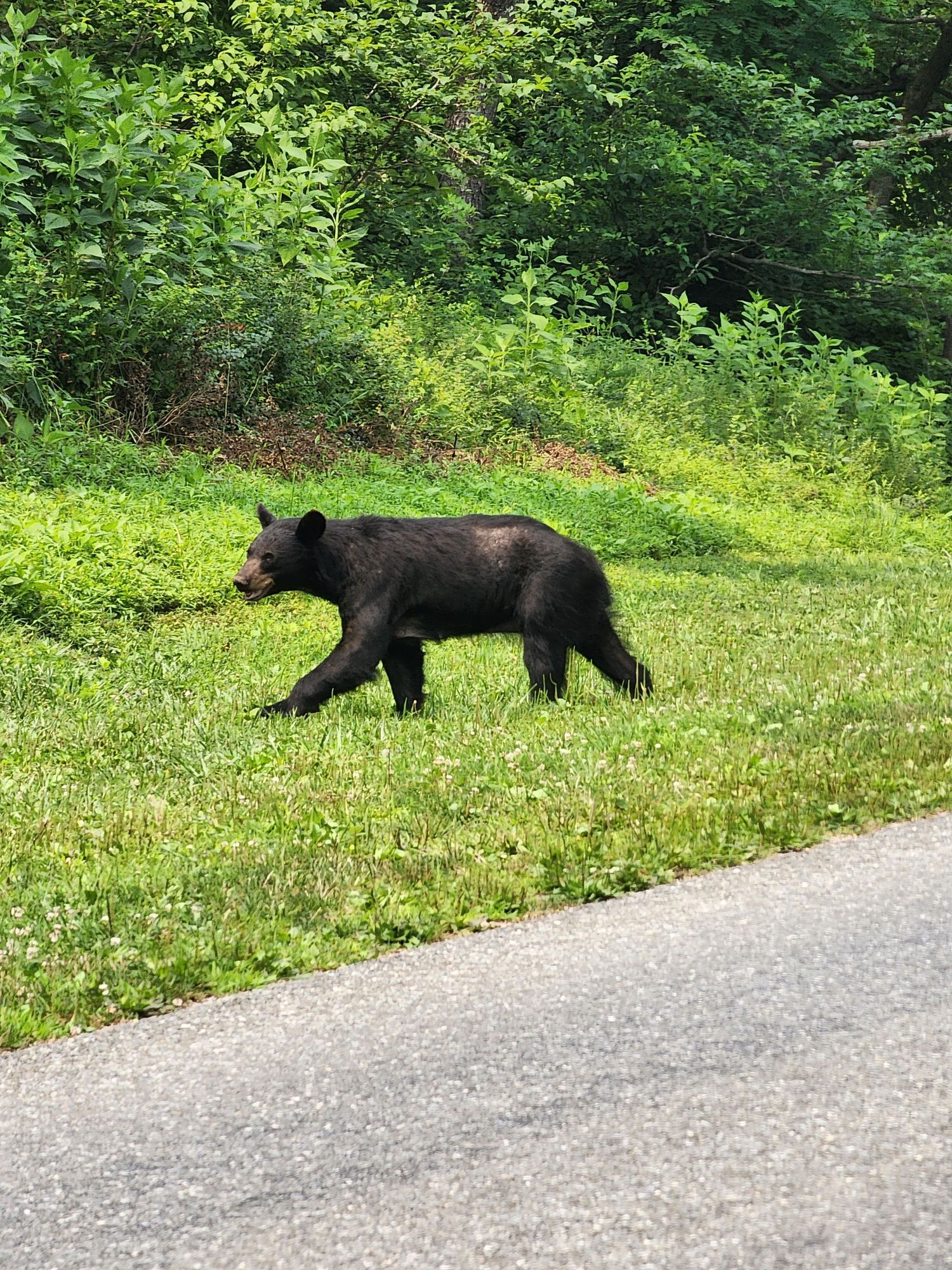
protected environment. The diverse habitats also provide refuge to numerous
wildlife species, such as black bears, white-tailed deer, and countless bird
species. This rich biodiversity makes the Blue Ridge Parkway a living
laboratory for ecological studies and a haven for nature enthusiasts.
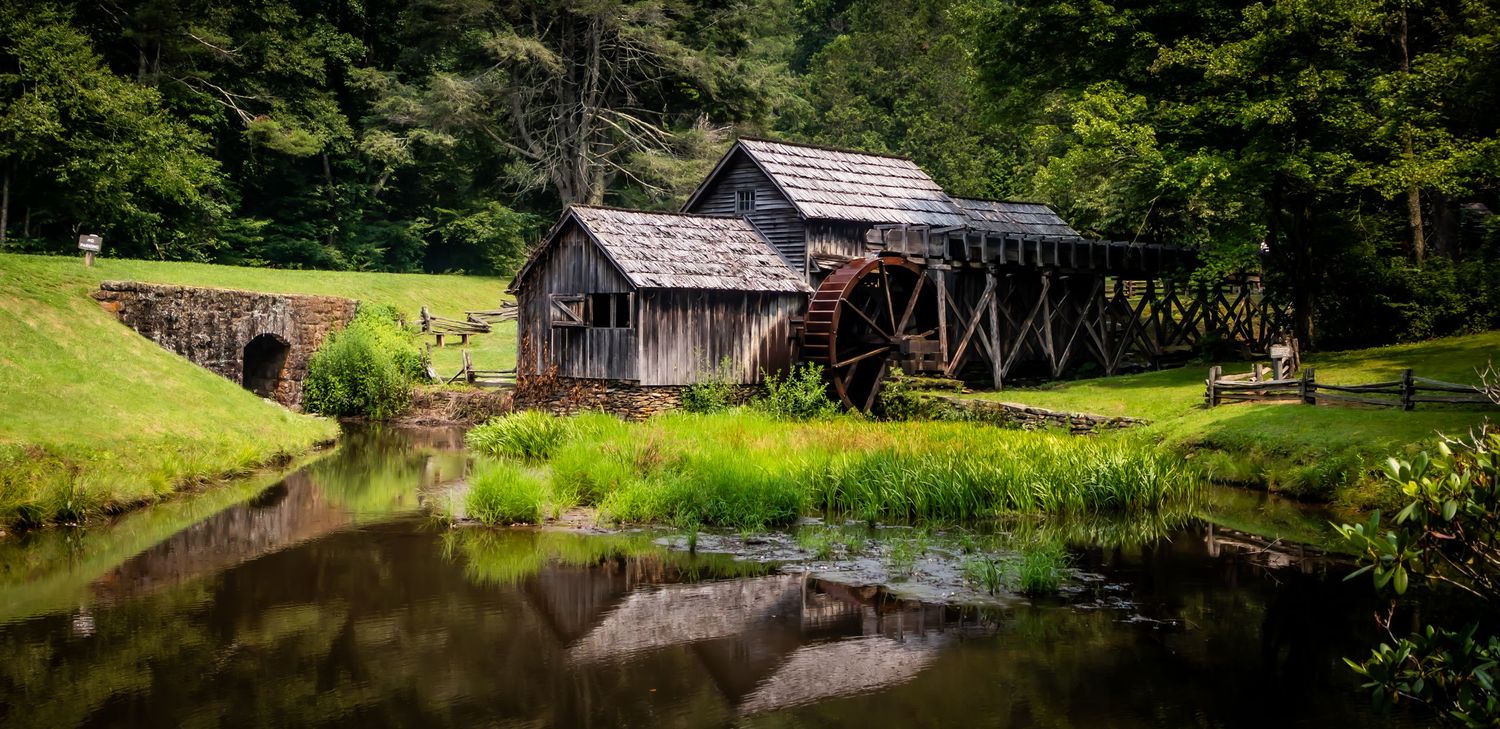
Cultural Heritage and Interpretive Centers: Beyond its natural
splendor, the Blue Ridge Parkway holds immense cultural significance.
Throughout the journey, travelers can explore the history and heritage of the
Appalachian region through several interpretive centers, museums, and
historical sites. For instance, the Blue Ridge Music Center celebrates the area's
musical heritage and showcases Appalachian music's influence on American
culture.
Numerous craft shops and visitor centers along the Parkway offer
opportunities to learn about traditional crafts, storytelling, and the way of
life of the mountain communities. These interactions enable visitors to connect
with the local culture and gain a deeper appreciation for the people who have
shaped the region over generations.
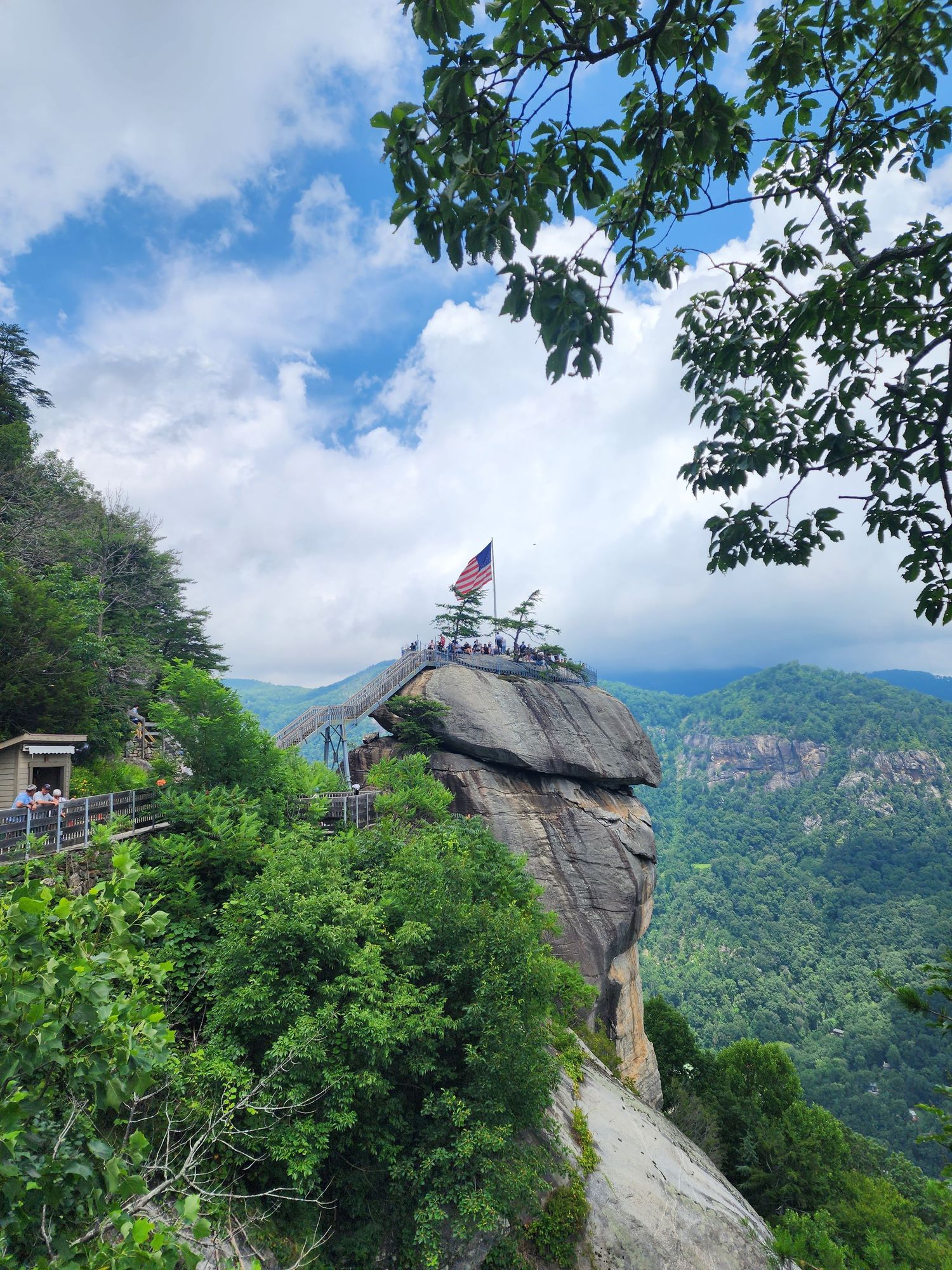
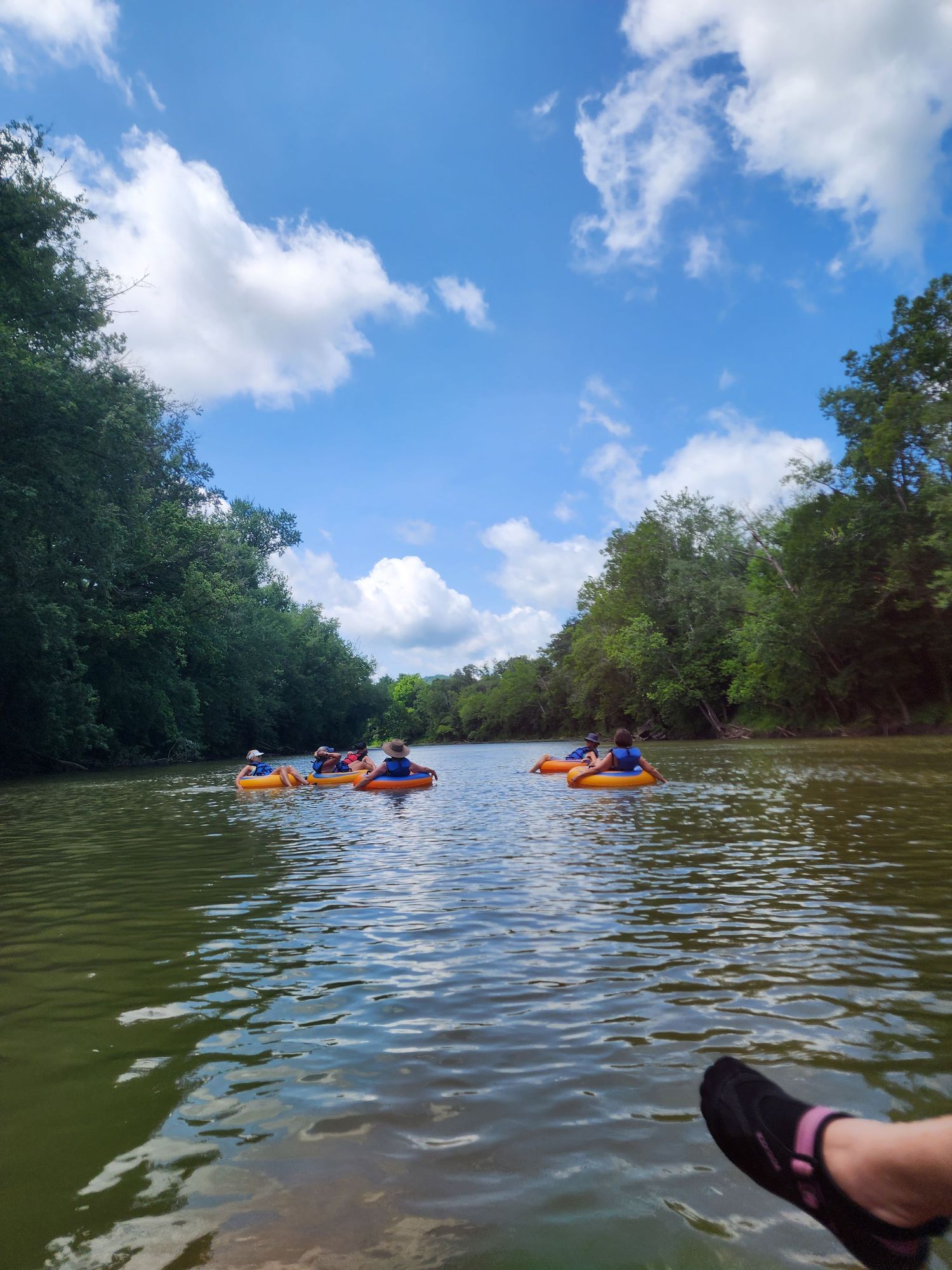
Recreational Opportunities: The Blue Ridge Parkway is a scenic
drive and a haven for outdoor enthusiasts. It offers a wide range of
recreational activities that cater to various interests. Hiking trails, ranging
from short strolls to challenging backcountry treks, lead to hidden waterfalls,
scenic overlooks, and peaceful meadows.
Camping facilities are available, allowing visitors to immerse
themselves fully in the area's natural wonders. Additionally, the Parkway is a
popular destination for birdwatching, photography, and stargazing due to its
minimal light pollution and diverse ecosystems.
Conclusion: In conclusion, the Blue Ridge Parkway stands as a
testament to the beauty and richness of America's natural and cultural
heritage. As travelers wind through the Appalachian Highlands, they are treated
to a visual feast of majestic landscapes and diverse ecosystems. Beyond its
scenic allure, the Parkway offers a gateway to the region's cultural heritage
and abundant recreational opportunities. The Blue Ridge Parkway is a treasure
that deserves appreciation, preservation, and continued celebration for
generations.